What if you could transform your workout routine by simply choosing between two versatile tools? Understanding the fundamental differences between kettlebells and dumbbells can not only enhance your fitness journey but also optimize your results!
Ideal for targeted strength training & muscle definition.
Kettlebell vs. Dumbbell Workouts: Understanding the Key Differences
When it comes to getting fit, many people wonder whether to choose kettlebells or dumbbells for their workouts. Each tool has its unique benefits, but understanding the key differences can help you make a more informed decision. Let’s dive into the mechanics and benefits of these two popular training options!
Exploring the Mechanics: Load Distribution and Movement Patterns
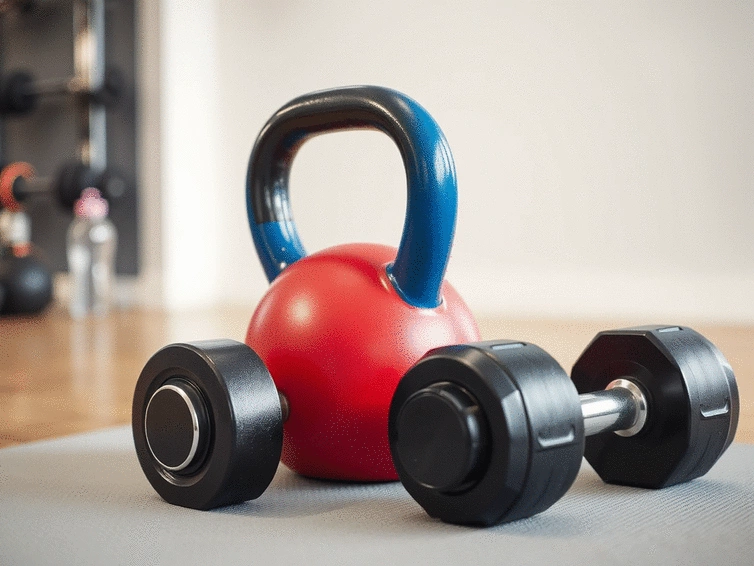
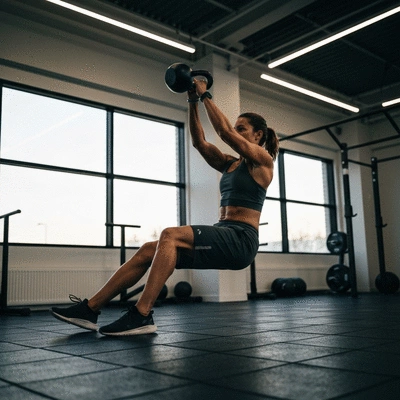
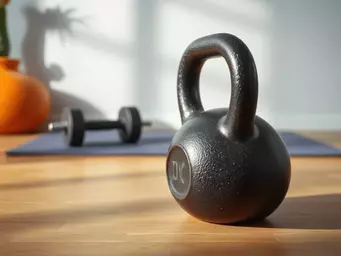
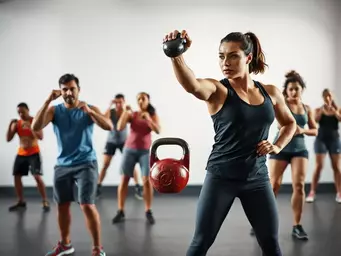
The first thing to note about kettlebells and dumbbells is their load distribution. Kettlebells have an offset center of gravity, which means the weight is located below your hand. This design challenges your balance and engages your core more during dynamic movements. Think about how a kettlebell swing feels; it’s not just about swinging the weight but also about controlling it using your entire body!
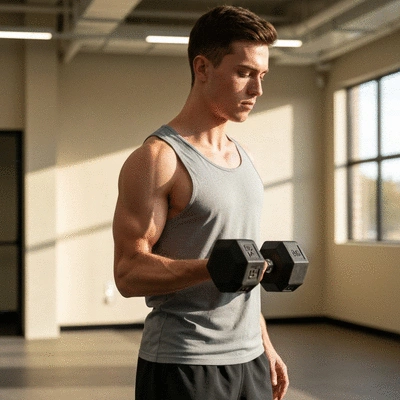
On the other hand, dumbbells have a balanced load that allows for greater stability during isolated exercises. When you perform a bicep curl with a dumbbell, the equilibrium helps you focus on the target muscle without destabilizing your form. This difference in mechanics plays a crucial role in the type of workouts each tool provides.
Kettlebells: Offset center of gravity enhances core engagement.
Dumbbells: Balanced load ideal for muscle isolation.
Dynamic vs. Isolated: Kettlebells excel in full-body movements, while dumbbells are great for strength targeting.
In summary, the mechanics of kettlebells promote functional strength and agility, whereas dumbbells are perfect for sculpting and defining muscle groups.
Comparative Benefits of Kettlebell and Dumbbell Workouts
When it comes to the benefits of kettlebell workouts, the advantages are numerous! Kettlebells are fantastic for developing functional strength, improving cardiovascular endurance, and promoting fat loss. The dynamic movements they offer require the use of multiple muscle groups, making every swing, snatch, or clean a full-body workout.
In contrast, dumbbells shine when it comes to muscle isolation and hypertrophy. They allow for precise control over movements, which is essential for building specific muscle groups. For instance, research published in PubMed has explored the effectiveness of various resistance training methods. So, if your goal leans toward gaining size or strength in particular areas, dumbbells are your go-to option.
Kettlebell Workouts:
Enhance functional strength
Boost cardiovascular endurance
Support fat loss effectively
Dumbbell Workouts:
Target muscle isolation
Foster hypertrophy
Provide better control during exercises
Ultimately, the choice between kettlebells and dumbbells can depend on your fitness goals. You might find combining both tools in your routine offers the best of both worlds!
The Role of Core Strength in Kettlebell and Dumbbell Training
Core strength is essential for any workout, and both kettlebell and dumbbell exercises can help you develop it effectively. Kettlebell movements, such as swings and Turkish get-ups, require significant core engagement to stabilize your body and execute the movement properly. This is one reason why I love incorporating kettlebells into my routines—they challenge my core strength in a functional way!
Dumbbells also contribute to core strength, especially during compound movements like overhead presses and squats. These exercises require you to engage your core to maintain balance and proper form, making them great for overall stability. So, whether you’re swinging a kettlebell or pressing a dumbbell, you’re enhancing your core strength with every rep!
Kettlebell Exercises for Core Strength:
Kettlebell swings
Turkish get-ups
Kettlebell cleans
Dumbbell Exercises for Core Strength:
Overhead presses
Single-arm rows
Dumbbell squats
Incorporating these exercises into your workout routine can not only build core strength but also enhance your overall fitness capabilities. The NCAA Sport Science Institute also provides valuable insights into the benefits and risks of kettlebell training, emphasizing proper technique.
Pro Tip
To maximize your workout results, consider incorporating both kettlebells and dumbbells into your routine. For instance, start with kettlebell swings to engage your core and improve functional strength, then switch to dumbbell exercises like bicep curls for targeted muscle growth. This balanced approach can enhance overall fitness and help you achieve your goals more effectively!
Summarizing the Kettlebell vs. Dumbbell Debate: Key Takeaways
As we dive into the kettlebell versus dumbbell discussion, it's essential to recap the key differences and benefits of each. Kettlebells offer a dynamic range of motion and engage multiple muscle groups, making them excellent for functional strength and cardiovascular fitness. On the other hand, dumbbells are perfect for isolating specific muscles, allowing for more targeted training.
Here are some main points to remember:
Kettlebells provide a unique load distribution that enhances dynamic movements.
Dumbbells allow for controlled movements, making them great for beginners.
Kettlebell workouts improve overall body coordination and stability.
Dumbbells are effective for muscle isolation and hypertrophy.
Both tools have their merits and can fit into various fitness regimens. Whether you're looking to build strength, improve endurance, or simply stay active, incorporating both kettlebells and dumbbells into your routine can optimize your workout experience!
Frequently Asked Questions (FAQs)
Q1: What is the main difference between kettlebells and dumbbells?
A1: The main difference lies in their load distribution and movement patterns. Kettlebells have an offset center of gravity, which promotes dynamic, full-body movements and core engagement. Dumbbells have a balanced load, making them ideal for controlled, isolated movements and muscle hypertrophy.
Q2: Which tool is better for functional strength?
A2: Kettlebells are generally considered better for developing functional strength due to their dynamic movements that engage multiple muscle groups and challenge balance and coordination.
Q3: Which tool is better for muscle isolation and hypertrophy?
A3: Dumbbells are better for muscle isolation and hypertrophy. Their balanced load allows for precise control over movements, making them excellent for targeting specific muscle groups and promoting muscle growth.
Q4: Can both kettlebells and dumbbells improve core strength?
A4: Yes, both tools can significantly improve core strength. Kettlebells engage the core through dynamic exercises like swings and Turkish get-ups, while dumbbells contribute to core stability during compound movements such as squats and overhead presses.
Q5: Should I use kettlebells or dumbbells, or both?
A5: The best approach depends on your fitness goals. Combining both kettlebells and dumbbells can offer a well-rounded workout routine, leveraging the functional strength benefits of kettlebells and the muscle isolation advantages of dumbbells for optimal results.
Next Steps: Choosing Your Path to Fitness Success
Now that you have a clearer understanding of kettlebells and dumbbells, it’s time to assess your fitness goals. Are you aiming for strength training, fat loss, or enhancing functional fitness? Each tool has unique advantages, making it crucial to find what suits your personal journey best.
Here are a few steps to guide you:
Reflect on your fitness objectives and preferences.
Try out both kettlebell and dumbbell workouts to see which one resonates with you.
Join a community of fitness enthusiasts to share your experiences and gain insights!
At Fitness Kettlebells, we're here to support you every step of the way! Don’t hesitate to reach out with your questions or share your progress. Let's embark on this fitness journey together, and remember, every step forward counts!
Recap of Key Points
Here is a quick recap of the important points discussed in the article:
Kettlebells: Offer an offset center of gravity, enhancing core engagement and functional strength through dynamic movements.
Dumbbells: Provide a balanced load ideal for muscle isolation, fostering hypertrophy and targeted training.
Core Strength: Both kettlebell and dumbbell exercises significantly contribute to core development, improving overall stability and control.
Workout Variability: Combining both kettlebells and dumbbells can optimize your fitness regimen, catering to diverse goals such as strength building, fat loss, and endurance.
At Fitness Kettlebells, we empower individuals to elevate their fitness journey through expert kettlebell training. Our mission is to provide high-quality resources that promote safe exercise practices, enhance strength, and inspire confidence in every workout.

Kettlebell Programming Mistakes to Avoid
Progressing Your Kettlebell Form Safely
Kettlebell Routine for Strength and Mobility
Kettlebell Equipment Selection Guide
Mastering the Hip Hinge Technique