
Key Mistakes in Programming
- ✖ Neglecting Warm-ups
- ✖ Overtraining Muscle Groups
- ✖ Failing to Track Progress
- ✖ Misconceptions (e.g., only heavy lifts)
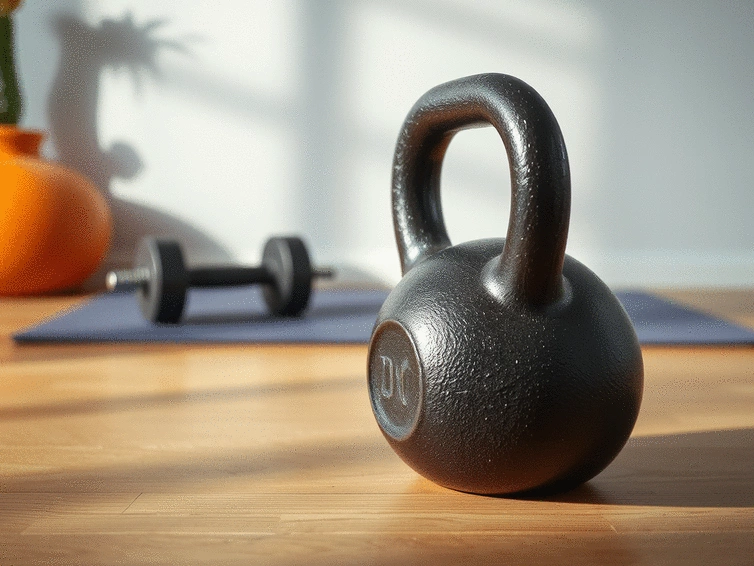
What if the key to unlocking your kettlebell potential lies in understanding programming? Many fitness enthusiasts struggle with common mistakes that can hinder their progress. Let's explore the vital insights that can help you elevate your kettlebell training.
Understanding and avoiding common pitfalls in kettlebell programming is crucial for effective and safe training. This visual highlights key mistakes and strategies for continuous improvement.
As a kettlebell coach with over a decade of experience, I’ve seen many individuals struggle due to common programming mistakes. Understanding these pitfalls is essential for anyone looking to maximize their kettlebell training. Whether you're a beginner or a seasoned athlete, being aware of how to structure your workouts can significantly impact your progress and safety.
One of the first steps is to recognize the importance of proper programming in kettlebell training. It’s not just about lifting weights; it’s about how you integrate various exercises, sets, and reps to create a balanced and effective regimen. An effective program can help you achieve your fitness goals while minimizing the risk of injury. For a deeper understanding of how structured exercise programs impact physical performance, consider reviewing research on exercise training and physical function.
When it comes to kettlebell training, effective programming means knowing how to structure your workouts for optimal results. Here are some key reasons why programming matters:

With thoughtful programming, you’ll find that your kettlebell journey becomes more enjoyable and rewarding. Remember, consistency paired with a well-designed program lays the foundation for long-term success!
Many newcomers to kettlebell training come with misconceptions that can hinder their progress. It’s vital to dispel these myths to ensure a solid understanding of the training. Here are some of the most common misconceptions:
By addressing these misconceptions, we can create a more supportive environment for everyone. Remember, kettlebell training is for all fitness levels, and the key is to start where you are and focus on mastering the fundamentals.
Common errors in kettlebell programming can lead to suboptimal performance and even injuries. Here are some primary mistakes to watch out for:
At Fitness Kettlebells, I emphasize the importance of *balanced programming* as a way to cultivate strength and stamina across all muscle groups. For instance, neglecting proper form in a kettlebell swing can lead to issues, as highlighted in articles discussing common errors in kettlebell swing sets. By identifying and correcting these mistakes early, you can ensure a safer, more effective kettlebell training experience!
Did you know? Regularly revisiting your kettlebell techniques can significantly enhance your performance. Take the time to film your workouts or seek feedback from a coach. This practice not only helps identify areas for improvement but also reinforces proper form, ensuring you stay safe while maximizing your gains!
As we conclude this deep dive into kettlebell programming, it’s essential to reflect on the key takeaways we’ve covered. Mistakes in programming can lead to poor performance and even injuries. Recognizing and understanding these common pitfalls will help you make informed adjustments in your training. Remember, proper programming is the backbone of effective kettlebell workouts, paving the way for lasting progress!
Here’s a quick summary of what we discussed:
Keep this checklist in mind as you refine your kettlebell journey. By focusing on these aspects, you'll not only enhance your strength but also build a solid foundation for long-term success!
Fitness is a journey, not a destination! At Fitness Kettlebells, I believe that every workout is an opportunity to learn and grow. Whether you're a beginner or an advanced athlete, there’s always room for improvement. In fact, embracing a mindset of continuous learning can drastically improve your kettlebell skills. Consider these strategies:
By implementing these strategies, you’ll not only boost your performance but also enjoy the process of mastering kettlebell training!

Want to take your kettlebell training to the next level? Start by creating a personalized checklist tailored to your goals and needs! A well-thought-out checklist can serve as a fantastic guide to keep you accountable and focused. Here’s how to get started:
This checklist will not only streamline your workouts but also help you remain consistent and motivated!
One of the best aspects of kettlebell training is the community that surrounds it. Engaging with others who share your passion can be incredibly motivating! Consider joining forums, social media groups, or local classes to connect with fellow kettlebell enthusiasts. Here are a few ideas on how to dive in:
Being part of a community not only enhances your learning but also keeps you inspired along your fitness journey!
Finally, let’s talk about goals! Setting realistic and achievable fitness goals is essential to your kettlebell journey. Rather than aiming for perfection, focus on incremental improvements. Here are some tips to help you set effective goals:
By establishing clear and attainable goals, you’ll stay focused and make your kettlebell journey even more rewarding. Now, let’s grab those kettlebells and get started on your path to success!
Here is a quick recap of the important points discussed in the article:
Kettlebell Programming Mistakes to Avoid

What if the key to unlocking your kettlebell potential lies in understanding programming? Many fitne
Progressing Your Kettlebell Form Safely

Have you ever hit a plateau in your training and felt stuck? Understanding how to progress effective
Kettlebell Routine for Strength and Mobility

Are you ready to transform your fitness journey with kettlebell training? The versatility of these w

Kettlebell Programming Mistakes to Avoid
Progressing Your Kettlebell Form Safely
Kettlebell Routine for Strength and Mobility
Kettlebell Equipment Selection Guide
Mastering the Hip Hinge Technique