
Why the Hip Hinge Matters
- Back Protection: Reduces spine stress.
- Enhanced Performance: More power & fluidity.
- Better Coordination: Unifies body movement.
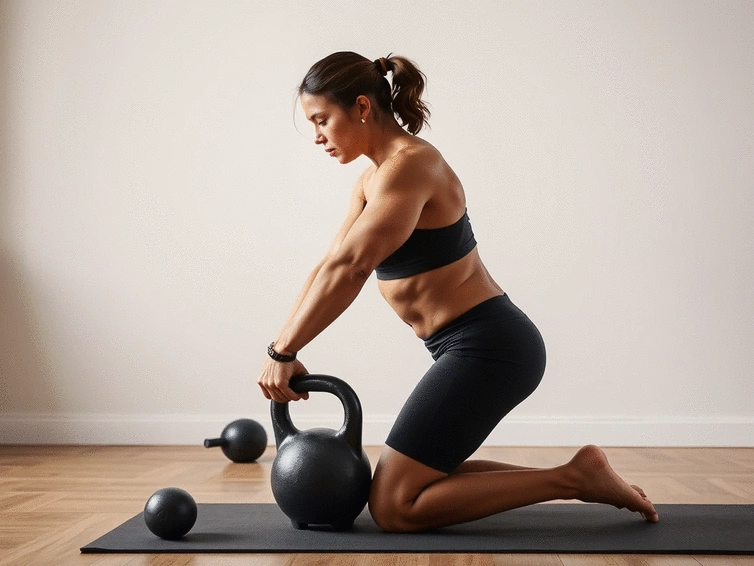
Are you aware that mastering the hip hinge can significantly enhance your kettlebell training? This foundational movement is not just about improving your swings; it also safeguards your back and promotes overall performance. Let's explore the pivotal insights from this essential technique!
This visual outlines the progression and benefits of mastering the hip hinge technique, from foundational elements to advanced applications, highlighting its role in injury prevention, performance enhancement, and overall functional movement.
When it comes to kettlebell swings, mastering the hip hinge technique is crucial. This movement not only protects your back but also enhances your overall performance. I can’t stress enough how a proper hip hinge sets the foundation for all your kettlebell training. Let’s dive deeper into why this technique is so essential!
By focusing on the hip hinge, you ensure that your movements are driven by your hips rather than your lower back. This means you're less likely to experience discomfort or injury, which keeps your training on track. Plus, it allows you to execute kettlebell swings with greater efficiency, allowing you to hit those fitness goals faster!
The hip hinge technique is significant for several reasons:
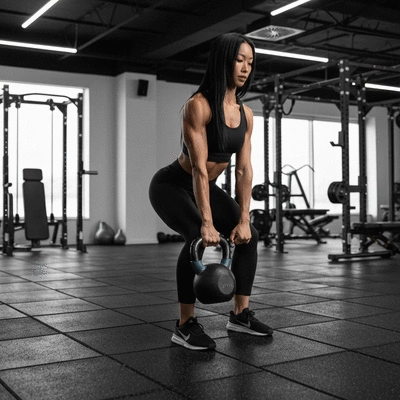
As a certified strength and conditioning coach, I’ve seen how a solid hip hinge can transform an athlete's performance. It’s the lifeblood of effective kettlebell training and something everyone should work on, regardless of experience level!
Let’s explore some key benefits of mastering the hip hinge:
When I first learned the hip hinge, it felt like unlocking a secret door to better kettlebell performance. Each swing became more powerful and fluid, allowing me to push my limits safely!
Core stability is a critical factor that supports the hip hinge. A strong core acts as the anchor for your movements, ensuring that your spine remains neutral and protected throughout the swing. Here’s how it contributes to your kettlebell swings:
Remember, your core is the powerhouse of your body. By focusing on core stability, you not only enhance your kettlebell swings but also improve your performance in other exercises!
To execute a perfect hip hinge, focus on these key elements:
These fundamentals create a solid foundation for your kettlebell swings. I often remind my clients that the hip hinge is about creating a powerful kinetic chain, so nailing these basics is key!
As you work on your hip hinge, keep an eye out for these common mistakes:
By being mindful of these mistakes, you can refine your technique, leading to more effective workouts. I’ve seen firsthand how correcting these errors can make a big difference!
Maintaining proper form during kettlebell swings is essential for a variety of reasons:
Ultimately, proper form not only helps you achieve your fitness goals but also builds your confidence in your abilities. So take the time to master it—you’ll be glad you did!
Have you ever struggled with mastering the hip hinge technique? Share your experience with us!
Understanding the hip hinge is crucial not just for kettlebell swings but also for enhancing your overall strength training. The hip hinge is a foundational movement that complements various other exercises, especially the deadlift. By mastering this technique, you can improve performance across multiple lifts, ensuring that you are engaging the right muscles effectively.
For example, when executing a deadlift, using the hip hinge allows you to maintain a stable spine and leverage your hip muscles, reducing strain on your back. This relationship between the hip hinge and other lifts can create a well-rounded strength training program that maximizes your efforts at Fitness Kettlebells!
By incorporating the hip hinge into your training, you're not just focusing on one exercise; you're building a solid foundation for a variety of lifts that will serve you well throughout your fitness journey.
Isn't it interesting how cultural cues can influence our understanding of movements? Take the popular phrase “bend and snap.” While it might sound fun and catchy, it actually highlights a crucial element of the hip hinge technique. This cultural reference serves as a reminder to engage the hips appropriately while maintaining a neutral spine, even in everyday scenarios. The Spineangel study reference further emphasizes the importance of hip hinge mechanics in reducing spinal load, supporting the idea that proper technique is vital for back health.
In our modern, often sedentary lifestyle, many people struggle with the hip hinge due to prolonged sitting. It’s essential to adapt this movement into daily life, whether through specific exercises or simply being mindful of your posture throughout the day. Embracing these cultural insights can make learning the hip hinge feel more relatable and accessible!
Mastering the hip hinge isn’t just about kettlebell swings; it’s about enhancing your functional movement patterns in daily activities. When you can effectively execute a hip hinge, everyday tasks like picking up groceries, bending to tie your shoes, or even lifting your kids become easier and safer. For a deeper dive into how the hip hinge improves daily movements, consider exploring resources like the University of Florida's functional movement series on the hip hinge.

By understanding and practicing the hip hinge, you’re effectively preparing your body for the demands of everyday life, which is a significant part of my mission at Fitness Kettlebells—empowering you to elevate your fitness journey!
To take your hip hinge to the next level, practice is key! I encourage you to seek consistent feedback, whether through video self-assessments or by working with a partner. This ongoing practice can help sharpen your technique and build confidence in your execution.
Remember, it’s perfectly okay to start slow and focus on form over speed. The more you refine your hip hinge, the more natural it will become!
If you’re a coach or personal trainer, helping your clients with their hip hinge technique can significantly enhance their overall performance. Here are some tips to keep in mind:
By focusing on these aspects, you can guide your clients toward mastering the hip hinge, making their kettlebell journey more effective and enjoyable!
Finally, I invite you to be part of our community at Fitness Kettlebells! Document your kettlebell swing journey, share your tips, and connect with fellow enthusiasts. Whether through social media or our community forum, your experiences can inspire others and foster a supportive environment for everyone looking to improve their kettlebell skills.
So, are you ready to take the next step? Let’s embrace the hip hinge together and elevate our fitness journeys! Your progress matters, and I can’t wait to see how you grow!
Here is a quick recap of the important points discussed in the article:
Kettlebell Programming Mistakes to Avoid
What if the key to unlocking your kettlebell potential lies in understanding programming? Many fitne
Progressing Your Kettlebell Form Safely
Have you ever hit a plateau in your training and felt stuck? Understanding how to progress effective
Kettlebell Routine for Strength and Mobility
Are you ready to transform your fitness journey with kettlebell training? The versatility of these w
Kettlebell Programming Mistakes to Avoid
Progressing Your Kettlebell Form Safely
Kettlebell Routine for Strength and Mobility
Kettlebell Equipment Selection Guide
Mastering the Hip Hinge Technique