
Kettlebell Progression Pillars
- Master Basics: Start with fundamental movements.
- Vary Exercises: Target different muscle groups.
- Adjust Intensity: Match skill level (weight/reps).
- Proper Form: Essential for safety and efficacy.

Have you ever hit a plateau in your training and felt stuck? Understanding how to progress effectively with kettlebells can transform your workout experience and help you overcome those barriers. Dive into the essential lessons that will empower your kettlebell journey!
This visual outlines the structured approach to kettlebell progression, key strategies for overcoming plateaus, and the essential role of recovery and nutrition in advancing your skills.
As a kettlebell enthusiast and certified coach, I often get asked about kettlebell progression and how one can transition from a beginner to an advanced level effectively. Understanding this progression is essential because it helps you build strength, improve technique, and enhance your overall fitness. Let’s break it down into manageable parts, so you can feel confident on your journey!
Kettlebell progression refers to the systematic approach of advancing in your kettlebell workouts by mastering various techniques and increasing the complexity of your movements. This progression not only elevates your physical abilities but also ensures that you’re practicing safely and efficiently.
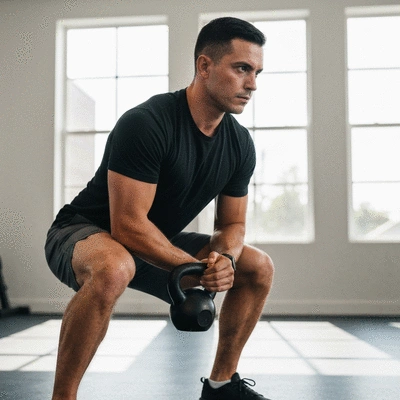
Kettlebell progression is the process of gradually increasing the difficulty of your workouts as you become more skilled and confident. This method often involves:
By following a structured progression, you’ll not only enhance your strength and endurance but also prevent injuries and burnout, as highlighted by research on kettlebell training benefits, such as a study on kettlebell training's impact on strength and power.
One of the cornerstones of effective kettlebell training is maintaining proper form. This is especially crucial during the early stages of your kettlebell journey. When you focus on your form, you:
Remember, it’s not about how much weight you lift; it’s about lifting the weight correctly! Taking the time to master your form will pay off in the long run. The American Council on Exercise (ACE) also emphasizes the benefits of proper kettlebell exercise, noting its effectiveness when executed correctly.
If you're just starting out, there are several fundamental kettlebell exercises you should prioritize. These exercises will help build your strength and confidence as you progress:
As you master these exercises, you’ll find yourself ready to tackle more complex movements. At Fitness Kettlebells, we provide detailed guides and video tutorials to ensure you get every rep right!
What challenges have you faced in your kettlebell training journey? Share your experiences and let us know how you overcame them!
Plateaus can feel frustrating, but they are a natural part of any fitness journey, especially when it comes to kettlebell training. The key is to recognize the signs of stagnation and take proactive steps to push through these barriers. You might notice a lack of progress in strength, endurance, or even a decline in motivation—these are all indicators that it's time to shake things up!
So, what can you do to get back on track? Let’s explore some effective strategies to help break through those plateaus and keep your kettlebell journey moving forward.
Recognizing these signs early can make a huge difference in how you approach your training. Don't get discouraged! Instead, view these moments as opportunities to evaluate your routine and make necessary adjustments.

Once you've identified your plateau, it’s time to implement some strategies to reignite your progress! Here are some techniques I’ve found effective in my own kettlebell training:
These techniques can help give your workouts a fresh perspective while pushing your limits just a bit further!
Incorporating specific drills can also help enhance your kettlebell performance. Let’s look at some effective drills to consider:
By integrating these drills into your routine, you can challenge your body in new ways and push past those frustrating plateaus. Remember, it’s all about being adaptable and committed to your kettlebell journey!
Recovery and nutrition play a crucial role in your kettlebell progression. Without proper recovery protocols, your body can’t repair and strengthen effectively. Likewise, fueling it with the right nutrients is essential for optimal performance!
Understanding how to recover is just as important as the workouts themselves. Here are some recovery protocols I recommend:
Incorporating these recovery methods will help enhance your next kettlebell workout. Trust me; your body will thank you! For more insights into recovery, you might find this article on recovery strategies in strength and conditioning useful.
Your nutrition should align with your training goals. Here are some guidelines I follow for effective fueling:
By focusing on these nutritional aspects, you can ensure that your body has the resources it needs to support your kettlebell training efforts.
In addition to rest and nutrition, consider incorporating other recovery methods:
Embracing these recovery methods will create a solid foundation for your kettlebell training progress. It’s about striking the right balance between effort and recovery!
Here are some common questions to help you further understand kettlebell progression and how to optimize your training:
As we wrap up our discussion on safe kettlebell progression, it’s essential to remember the key points we’ve covered. Overcoming plateaus, ensuring recovery, and fueling your body properly will all contribute to your overall success.
Implementing these takeaways will help you build a strong kettlebell foundation and keep your training enjoyable and effective.
Now that you have a solid understanding of progression and recovery, it’s time to put your plan into action! Start small, track your progress, and make adjustments as needed.
If you're looking for personalized guidance, consider working with a kettlebell instructor. They can provide valuable insights and help ensure you’re on the right path. Whether you're just starting or are ready to level up, having the right support can make all the difference in your kettlebell journey!
Here is a quick recap of the important points discussed in the article:
Kettlebell Programming Mistakes to Avoid

What if the key to unlocking your kettlebell potential lies in understanding programming? Many fitne
Progressing Your Kettlebell Form Safely

Have you ever hit a plateau in your training and felt stuck? Understanding how to progress effective
Kettlebell Routine for Strength and Mobility

Are you ready to transform your fitness journey with kettlebell training? The versatility of these w

Kettlebell Programming Mistakes to Avoid
Progressing Your Kettlebell Form Safely
Kettlebell Routine for Strength and Mobility
Kettlebell Equipment Selection Guide
Mastering the Hip Hinge Technique