
Increased Cardiovascular Fitness
Regular kettlebell training effectively elevates heart rate, promoting significant cardiovascular health and improving aerobic capacity.
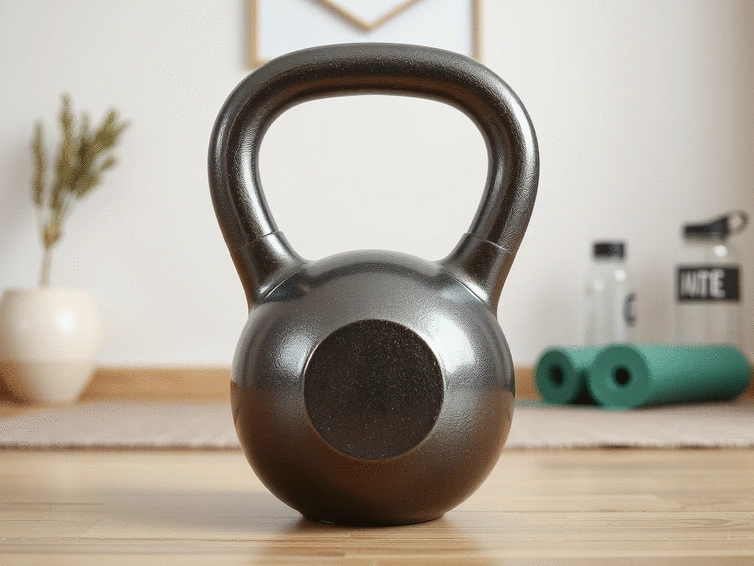
Did you know that kettlebell training might offer a dual workout for both strength and cardiovascular health? Dive into the evidence-based benefits that could transform your fitness journey!
Kettlebell training offers a range of scientifically-backed benefits for enhancing overall fitness. The visual below summarizes key findings from research on its effectiveness.
Regular kettlebell training effectively elevates heart rate, promoting significant cardiovascular health and improving aerobic capacity.
Kettlebell movements engage major muscle groups simultaneously, leading to substantial gains in overall muscular strength and endurance.
Kettlebell exercises mimic real-life activities, enhancing functional fitness crucial for daily tasks and athletic performance.
Dynamic kettlebell movements significantly engage the core, improving stability and promoting muscle growth across various muscle groups.
Kettlebell training is more than just a trend—it's backed by science! At Fitness Kettlebells, I love exploring how this dynamic form of exercise enhances various aspects of fitness. Research shows that kettlebell workouts can significantly improve cardiovascular fitness, bolster muscular strength, and enhance overall functional movement. This makes kettlebell training an excellent choice for anyone looking to elevate their fitness journey.
But how does this all work? Kettlebell exercises engage multiple muscle groups simultaneously, leading to a full-body workout that challenges both strength and endurance. When you swing, snatch, or press a kettlebell, you only build muscle but also boost your heart rate. It’s like getting two workouts in one!

To appreciate the benefits of kettlebell training, it’s essential to dive into the scientific research behind it. Studies have consistently shown that kettlebell training provides a robust cardiovascular workout due to its high-intensity nature. This intensity helps improve your aerobic capacity and overall stamina.
Whether you're a beginner or an experienced athlete, understanding these benefits can keep you motivated on your fitness path. Each swing or press isn't just a movement—it's a step toward better health!
Recent systematic reviews emphasize the effectiveness of kettlebell training in achieving fitness goals. Peer-reviewed studies demonstrate that kettlebell workouts can produce similar or even greater gains in strength and endurance compared to traditional weight training.
These findings are exciting and reinforce the idea that incorporating kettlebells into your training regimen can lead to substantial fitness improvements. At Fitness Kettlebells, I always encourage clients to embrace these evidence-based insights as they shape their workout strategies.
One of the standout features of kettlebell training is its impact on muscle hypertrophy and core stability. The dynamic nature of kettlebell movements requires significant core engagement, which leads to improved stability and strength throughout your entire body.
As a certified strength and conditioning coach, I've seen firsthand how kettlebell training not only builds muscle but also fosters a strong core. This dual benefit makes kettlebells a fantastic choice for anyone—whether you're just starting out or looking to refine your advanced techniques. Let’s harness that power together!
How do you feel about the impact of kettlebell training on your fitness journey? Share your thoughts below:
When it comes to kettlebell training, we often focus on the exercises themselves, but let’s not forget that nutrition and recovery play a vital role in your success. Proper nutrition fuels your workouts, while effective recovery allows your body to repair and grow stronger. By integrating these elements, you can maximize your performance and achieve your fitness goals more efficiently!
At Fitness Kettlebells, I emphasize that nutrition isn't just about what you eat; it’s about how you use those nutrients to support your training. Let’s dive into some essential nutritional strategies that can elevate your kettlebell workouts.

To optimize your kettlebell training, focus on a balanced diet that supports energy levels and aids recovery. Here are some key nutritional strategies:
By focusing on these aspects, you can ensure your body has the necessary fuel to perform at its best during kettlebell sessions. How do you feel about your current nutrition? Are there areas where you can improve?
Recovery is just as vital as the training itself. Without proper recovery, your body may struggle to adapt to the demands of kettlebell workouts. Here are some effective recovery techniques you can incorporate:
Implementing these recovery techniques will help you prevent overtraining and keep your kettlebell training sessions effective and enjoyable.
Proper recovery strategies don't just help you feel better; they can significantly impact your performance metrics. When you allow your body to recover adequately, you may notice improvements in:
Keep in mind that the path to achieving your kettlebell goals is about striking the right balance between effort and recovery. By focusing on nutrition and recovery, you’re setting yourself up for long-term success in your kettlebell training!
Here is a quick recap of the important points discussed in the article:
Kettlebell Programming Mistakes to Avoid

What if the key to unlocking your kettlebell potential lies in understanding programming? Many fitne
Progressing Your Kettlebell Form Safely

Have you ever hit a plateau in your training and felt stuck? Understanding how to progress effective
Kettlebell Routine for Strength and Mobility

Are you ready to transform your fitness journey with kettlebell training? The versatility of these w

Kettlebell Programming Mistakes to Avoid
Progressing Your Kettlebell Form Safely
Kettlebell Routine for Strength and Mobility
Kettlebell Equipment Selection Guide
Mastering the Hip Hinge Technique