Unlocking your fitness potential starts with the right approach to kettlebell training. Dive into this dynamic workout to not only build strength but also enhance flexibility and endurance. Are you ready to transform your fitness journey?
What You Will Learn
Kettlebell training promotes functional strength, enhancing performance in everyday activities.
Personalizing your kettlebell program helps to achieve specific fitness goals and boosts motivation.
Incorporating diverse kettlebell exercises prevents monotony and works different muscle groups.
Nutrition and recovery are crucial for maximizing kettlebell training effectiveness and overall performance.
Staying hydrated significantly impacts your kettlebell workouts and helps in post-workout recovery.
Key Areas of Kettlebell Training Focus
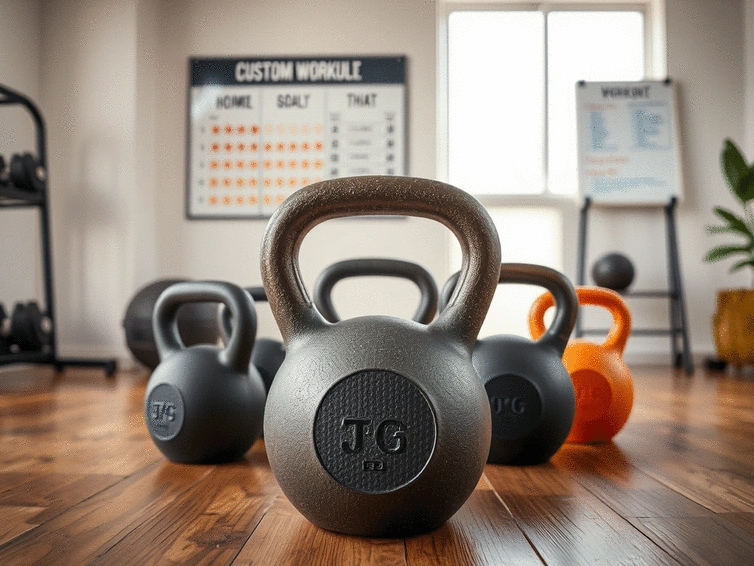
Kettlebell training is a dynamic way to enhance overall fitness, combining strength, flexibility, and endurance. The visual below highlights the core components that make kettlebell workouts unique and effective.
What Makes Kettlebell Workouts Unique?
Kettlebell workouts promote functional strength, challenge stability, and improve balance and coordination due to their off-center design. This translates into real-world movements.
Versatility
Dynamic Movements
Adaptability
The Benefits of Tailoring Your Program
Personalizing your kettlebell program ensures workouts align with specific goals, enhancing motivation and effectiveness while preventing injury.
Specific Goals
Injury Prevention
Increased Engagement
Integrating Nutrition & Recovery
Nutrition and recovery are crucial for optimal performance, muscle repair, and preventing fatigue, forming the foundation of effective training.
Macronutrients Balance
Rest Days & Sleep
Consistent Hydration
Hydration Tips for Optimal Performance
Proper hydration before, during, and after workouts is key to sustaining energy, aiding recovery, and enhancing overall kettlebell performance.
Drink Before, During, After
Monitor Hydration
Consider Electrolytes
Understanding the Basics of Kettlebell Training
Kettlebell training is a dynamic way to enhance your overall fitness, and it stands out because of its unique approach to strength and conditioning. Unlike traditional weights, kettlebells allow for a greater range of motion and engage multiple muscle groups simultaneously. This integration creates a workout that not only builds strength but also improves flexibility and endurance. At Fitness Kettlebells, we emphasize the importance of understanding these fundamentals to make your training both effective and enjoyable!
What Makes Kettlebell Workouts Unique?
Kettlebell workouts are distinct for several reasons. First, they promote functional strength, which translates directly into everyday activities. This means you’re not just lifting weights; you’re preparing your body for real-world movements. Additionally, the off-center design of kettlebells challenges your stability and core strength, leading to improved balance and coordination.
Versatility: Kettlebells can be used for various exercises targeting different muscle groups.
Dynamic Movements: Exercises like swings and snatches incorporate full-body motions that elevate your heart rate.
Adaptability: Workouts can be adjusted for beginners or advanced users, making kettlebells suitable for everyone.
These unique aspects not only keep your workouts engaging but also enhance the effectiveness of your training. With kettlebells, you can shift between strength training and cardio in one session, maximizing your results!
The Benefits of Tailoring Your Kettlebell Program
When you personalize your kettlebell program, you're setting yourself up for success. Tailoring your routine allows you to address your specific goals, whether that’s building muscle, improving endurance, or losing weight. At Fitness Kettlebells, I always encourage my clients to take the time to figure out what they want to achieve. This tailored approach not only enhances motivation but also ensures that your workouts are aligned with your personal fitness journey. For guidance on structuring your program, consider resources like the ACE Fitness recommendations for kettlebell training program design.
Specific Goals: Focus on targeted areas for improvement.
Injury Prevention: Customize the intensity and volume to prevent overtraining.
Increased Engagement: Enjoy workouts that resonate with your personal interests and fitness level.
By customizing your program, you can also track your progress more effectively, adjusting your routine as you grow stronger and more confident!
Exploring Kettlebell Variations for Diverse Workouts
Diversity in your kettlebell training keeps each session fresh and exciting. By incorporating various kettlebell exercises, you not only work different muscle groups but also prevent workout monotony. Here are a few popular variations to consider:
Kettlebell Swings: A powerhouse move that targets your hips, glutes, and core.
Goblet Squats: Perfect for building lower body strength while improving squat form.
Turkish Get-Ups: A full-body exercise that enhances stability and coordination.
Kettlebell Rows: Excellent for upper body strength and back development.
Each of these movements brings something unique to your workout. By mixing them into your routine, you create a comprehensive training program that builds strength, stability, and endurance. Remember, variety is the spice of life—and your kettlebell workouts! Embrace it!
Frequently Asked Questions About Kettlebell Training
Q1: What are the primary benefits of kettlebell training?
Kettlebell training offers numerous benefits, including enhanced functional strength, improved balance and coordination due to their off-center design, increased flexibility, and boosted endurance. They also allow for dynamic, full-body movements.
Q2: Why is it important to personalize a kettlebell program?
Personalizing your kettlebell program ensures that your workouts are aligned with your specific fitness goals, whether it's muscle building, endurance improvement, or weight loss. This approach also enhances motivation, prevents injuries, and allows for more effective progress tracking.
Q3: What role does nutrition play in effective kettlebell training?
Nutrition is the foundation of your fitness program. A balanced intake of carbohydrates, proteins, and healthy fats provides energy for workouts, aids in muscle repair and growth, and supports overall health. Proper pre- and post-workout nutrition is crucial for sustained energy and recovery.
Q4: How important is recovery for kettlebell training?
Recovery is just as important as the workouts themselves. Adequate recovery through rest days, active recovery, and sufficient sleep allows your muscles to repair and grow stronger, prevents fatigue and overtraining, and maintains a consistent training schedule.
Q5: What are some key hydration tips for kettlebell workouts?
Staying adequately hydrated is vital for optimal performance and recovery. It's recommended to drink water before, during, and after workouts. Monitoring urine color (light yellow indicates proper hydration) and considering electrolytes for intense or long sessions can also be beneficial.
We Want to Hear From You!
What aspect of kettlebell training excites you the most? Is it the variety of exercises, the challenge of mastering new techniques, or the benefits you gain from it? Share your thoughts below:
Integrating Nutrition and Recovery into Your Kettlebell Program
As we embark on our kettlebell journey, it’s crucial to remember that nutrition and recovery play essential roles in achieving our fitness goals. Just as we focus on the right kettlebell techniques, we must also pay attention to what we fuel our bodies with and how we allow them to recover. Balancing these elements can significantly enhance performance and results. For more in-depth information on the synergy between exercise and diet, explore studies on exercise, diet, and training.
When considering nutrition, think of it as the foundation of your fitness program. A well-rounded diet provides the energy needed for intense workouts and promotes muscle recovery. Remember, what you eat can either boost your kettlebell performance or hinder your progress!
The Role of Nutrition in Achieving Fitness Goals
Nutrition isn't just about consuming fewer calories; it's about making smarter choices that align with your fitness objectives. Here are some key points to keep in mind:
Macronutrients Matter: Focus on getting a balance of carbohydrates, proteins, and fats. Carbs provide energy, proteins aid in muscle repair, and healthy fats support overall health.
Pre-Workout Nutrition: Eating a light meal or snack before your kettlebell workout can help sustain your energy levels. Think about options like bananas or Greek yogurt!
Post-Workout Recovery: Refueling after your training session is vital. Aim for a protein-rich snack within 30 minutes of finishing, such as a protein shake or cottage cheese.
By prioritizing these nutritional aspects, you'll not only fuel your workouts effectively but also support your muscle growth and recovery. Your body will thank you for it!
Recovery Strategies to Enhance Your Kettlebell Training
Just as important as your workouts, recovery strategies help your body bounce back and get stronger. Incorporating adequate recovery techniques into your routine can prevent fatigue and overtraining. Here are some effective strategies:
Rest Days: Allowing time for your muscles to recover is essential. Schedule at least one or two rest days each week.
Active Recovery: Light activities like walking or gentle yoga can promote blood flow without taxing your muscles.
Sleep Well: Aim for 7-9 hours of quality sleep each night. Sleep is when the body repairs itself, so don’t skimp on it!
Integrating these recovery strategies will help you maintain a consistent kettlebell training schedule, preventing burnout and injuries. Listen to your body—it knows best!
Hydration Tips for Optimal Performance and Recovery
Staying hydrated is a game-changer when it comes to performance and recovery. Our bodies need water to function optimally, especially during intense kettlebell workouts. Here are some hydration tips to keep you on track:
Drink Water Before, During, and After: Aim to hydrate before your workout begins, sip water during your session, and rehydrate afterward.
Monitor Your Hydration: A good rule of thumb is to check the color of your urine—light yellow typically indicates proper hydration.
Consider Electrolytes: During long or intense workouts, consider adding electrolytes to your hydration routine to replenish lost minerals.
By keeping your hydration in check, you'll enhance your kettlebell training performance and feel more energized during each workout. Let's keep that momentum going!
Recap of Key Points
Here is a quick recap of the important points discussed in the article:
Functional Strength: Kettlebell training promotes functional strength, enhancing your performance in everyday activities.
Personalized Programs: Tailoring your kettlebell program to your fitness goals increases motivation and effectiveness.
Diverse Exercises: Incorporating various kettlebell exercises, like swings and goblet squats, keeps workouts engaging and comprehensive.
Nutrition and Recovery: Balancing nutrition and recovery strategies is essential for achieving optimal results from your training.
Hydration: Staying hydrated before, during, and after workouts enhances performance and recovery.
At Fitness Kettlebells, we empower individuals to elevate their fitness journey through expert kettlebell training. Our mission is to provide high-quality resources that promote safe exercise practices, enhance strength, and inspire confidence in every workout.






Kettlebell Programming Mistakes to Avoid
Progressing Your Kettlebell Form Safely
Kettlebell Routine for Strength and Mobility
Kettlebell Equipment Selection Guide
Mastering the Hip Hinge Technique