
Measuring Training Volume
The foundational formula for tracking progress:
Volume = Weight × Reps × Sets
Example: 12kg kettlebell, 3 sets of 10 reps = 360kg volume.
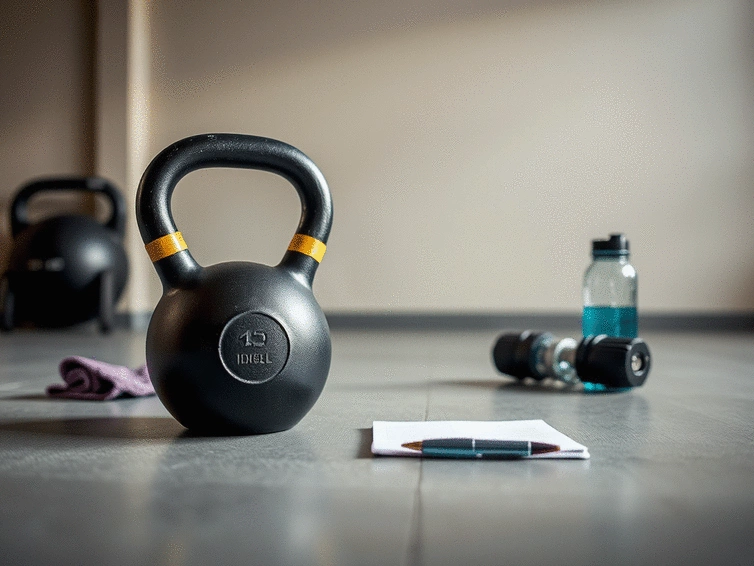
Are you ready to transform your kettlebell training? Understanding the principle of progressive overload is key to unlocking your fitness potential. Let’s explore how this concept can elevate your workouts and help you achieve impressive gains!
This visual outlines key methods for progressively overloading your kettlebell workouts, focusing on safe and effective techniques to enhance strength and prevent plateaus.
The foundational formula for tracking progress:
Volume = Weight × Reps × Sets
Example: 12kg kettlebell, 3 sets of 10 reps = 360kg volume.
Increase gradually: 5-10% increments.
Introduce advanced movements to challenge muscles differently:
Tempo:
Slower movements = increased time under tension.
Rest Intervals:
Welcome to the exciting world of kettlebell training! One of the most powerful concepts you can embrace for building strength is progressive overload. But what does that mean exactly? Essentially, it's the gradual increase of stress placed on the body during your workouts. This principle is the foundation of all strength training, including kettlebells, and it helps ensure that you're continually challenging yourself and making gains.

Think of it like this: if you always lift the same weight, your body adapts, and progress halts. To keep advancing, you must consistently push the envelope, whether that's by adding weight, increasing reps, or changing the exercises. Understanding this concept is crucial for anyone looking to elevate their kettlebell journey!
At its core, progressive overload is about enhancing your strength and endurance by gradually increasing the demands placed on your body. This can occur through various methods, including:
Each of these adjustments prompts your muscles to adapt and grow stronger. For instance, if you're comfortable with a 12kg kettlebell, consider moving to 14kg after a few weeks of consistent training. This slight increase in weight forces your muscles to work harder and develop.
Why is progressive overload so essential in kettlebell training? The answer is simple: it's what drives muscle growth and improved fitness levels. By continually challenging your body, you not only build strength but also enhance muscle endurance, coordination, and overall fitness. Research, such as that published by the University of New Mexico, consistently highlights the benefits of progressive resistance training for strength development.
Moreover, progressive overload helps prevent plateaus, which can be frustrating for anyone embarking on their fitness journey. When you embrace this principle, you cultivate a path of continuous improvement and achievement!
To effectively implement progressive overload, you need to measure your training volume. This involves understanding how much weight you’re lifting and how many repetitions and sets you complete. Here's a simple formula to calculate your training volume:
For example, if you lift a 12kg kettlebell for 3 sets of 10 reps, your volume would be 360kg (12 x 10 x 3). Tracking this metric will help you identify when it's time to increase your weights or reps, ensuring you're consistently applying the principle of progressive overload in your workouts. Understanding training volume is key to effective progression, as detailed in studies on resistance training periodization, which can be found on resources like PMC NCBI.
To optimize your kettlebell training, consider implementing a deload week every 4-6 weeks. This involves reducing the weight and intensity of your workouts to allow your muscles to recover and adapt. By prioritizing recovery, you can prevent burnout and injuries, ensuring sustainable progress in your kettlebell journey!
Increasing intensity in kettlebell training is essential for making progress while ensuring safety. At Fitness Kettlebells, I believe that it’s not just about lifting heavier weights but also about how you go about it. With the right methods, you can boost your workouts effectively and safely!
Let’s explore some effective methods that you can implement to enhance your kettlebell training intensity while keeping safety at the forefront!
Knowing when to increase your kettlebell load is crucial. You don’t want to jump into heavier weights too soon, which can lead to injury. Here are some signs that it’s time to boost your weight:
When you do decide to increase your load, do so gradually. Aim for increments of 5-10% in weight. This gradual increase helps your body adapt while minimizing the risk of injury. The importance of proper progression in resistance training to maximize results and minimize injury risk is a well-documented aspect of exercise science, as discussed in detail on resources like PMC NCBI.
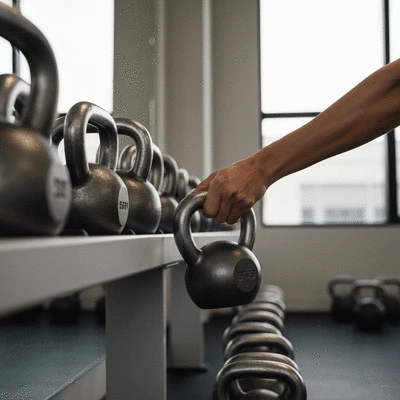
Adding complexity to your workouts can be a game-changer! By incorporating advanced kettlebell movements, you challenge your body in new ways. Some advanced movements include:
As you progress, try mixing these movements into your routine. They'll not only keep your workouts exciting but also engage different muscle groups, leading to enhanced strength gains.
It's important to adapt movement patterns to keep pushing your limits. For instance, if you're comfortable with the basic swing, try transitioning to a single-arm swing or a two-handed swing with a pause at the top. These adjustments provide new challenges and help improve your overall strength.
The tempo at which you perform your exercises can significantly impact your results. Slowing down your movements can increase time under tension, promoting muscle growth. Additionally, adjusting your rest intervals can optimize your workouts:
Experimenting with these variables can help tailor your training to your specific goals and fitness level!
As you increase kettlebell intensity, consider tweaking your rest periods. Start with shorter rests, then gradually extend them as your strength improves. This approach helps your body adapt to increased workloads and encourages greater muscle growth.
Repetitions and sets play a vital role in your progression. To maximize intensity:
By adjusting these variables, you can create a dynamic and effective kettlebell workout that keeps you engaged and continually progressing!
Here is a quick recap of the important points discussed in the article:
Kettlebell Programming Mistakes to Avoid

What if the key to unlocking your kettlebell potential lies in understanding programming? Many fitne
Progressing Your Kettlebell Form Safely

Have you ever hit a plateau in your training and felt stuck? Understanding how to progress effective
Kettlebell Routine for Strength and Mobility

Are you ready to transform your fitness journey with kettlebell training? The versatility of these w

Kettlebell Programming Mistakes to Avoid
Progressing Your Kettlebell Form Safely
Kettlebell Routine for Strength and Mobility
Kettlebell Equipment Selection Guide
Mastering the Hip Hinge Technique