
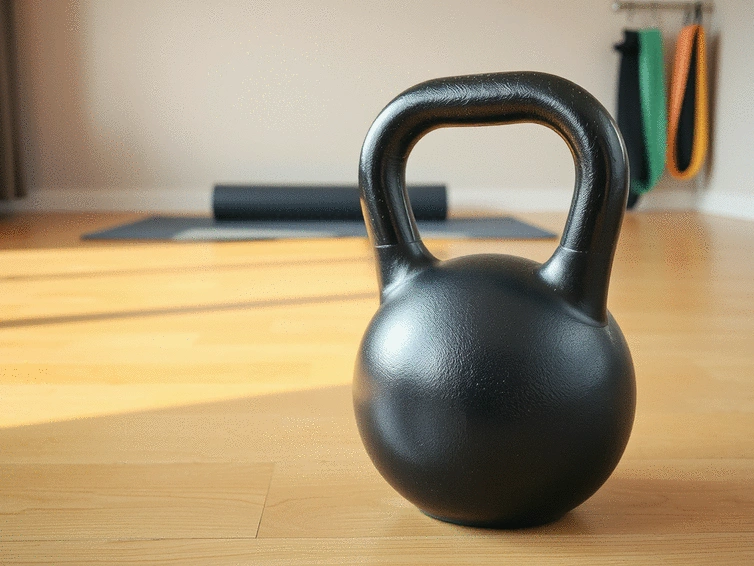
Kettlebell Workout Plans for Everyone
Are you ready to transform your fitness routine? The versatility of kettlebell workouts can elevate not just your strength, but also your overall health. Dive in to discover how a structured approach can unlock your potential!
What You Will Learn
- The importance of a structured kettlebell workout plan for maximizing results and minimizing injury risk.
- How to identify your training level—beginner, intermediate, or advanced—and select appropriate workouts.
- The dual benefits of kettlebell training for enhancing both strength and cardiovascular health.
- Key strategies for incorporating recovery and nutrition into your kettlebell routine for sustainable progress.
- Hydration tips to improve workout performance and prevent fatigue during kettlebell training.
- The value of community and group classes in maintaining motivation and enhancing your kettlebell journey.
Kettlebell Training Levels & Benefits
An overview of the structured approach to kettlebell training, detailing the progression through different skill levels and the comprehensive benefits for both strength and cardiovascular health.
Training Levels Overview
- •Beginner: Focus on form & fundamentals.
- •Intermediate: Complex movements & combinations.
- •Advanced: High-intensity techniques & complex lifts.
Key Benefits of Kettlebell Training
- •Strength: Improves overall muscle tone.
- •Cardio: Boosts endurance.
- •Balance & Coordination: Enhances stability.
- •Functional Fitness: Supports daily activities.
Understanding Kettlebell Workouts for All Levels
At Fitness Kettlebells, we know that a structured approach to kettlebell training can make all the difference in your fitness journey. Whether you're just starting or have been lifting for years, having a clear plan helps to ensure consistent progress and keeps you motivated. A well-structured workout plan considers your goals, limits, and abilities, allowing you to maximize results while minimizing the risk of injury. For a deeper understanding of how kettlebell training impacts muscular strength and endurance, you might find this study on the effects of kettlebell training insightful.
Moreover, a structured kettlebell workout allows you to effectively track your progress over time. You can see how far you’ve come and adjust your routine to keep challenging yourself. Remember, it’s not just about lifting weights; it’s about lifting your own fitness journey to new heights!

The Importance of Structuring a Kettlebell Workout Plan
- Provides clear goals and expectations
- Helps manage workout intensity and recovery
- Reduces the risk of injury with proper progression
- Facilitates tracking progress and celebrating achievements
A structured plan will not only enhance your physical capabilities but also build confidence in your kettlebell skills. Trust me, as a certified strength and conditioning coach, I’ve seen firsthand how a solid plan fosters a supportive training environment!
Overview of Kettlebell Training Levels
The beauty of kettlebell workouts lies in their versatility, catering to various skill levels. Let's break it down into three main categories:
- Beginner: For those just starting their fitness journey, focusing on form and fundamental exercises is crucial.
- Intermediate: This level introduces more complex movements and combinations to challenge your strength and coordination.
- Advanced: Here, you'll tackle intricate workouts that integrate high-intensity techniques and complex lifts.
Understanding where you fit in these levels helps you select the right workouts and ensures you’re not overwhelming yourself. Each stage builds on the last, making it essential to progress at your own pace.
Benefits of Kettlebell Training for Strength and Cardiovascular Health
Kettlebell workouts offer a unique blend of benefits, making them an excellent choice for enhancing both strength and cardiovascular fitness. When you engage with kettlebells, you’re not just lifting weights; you’re performing dynamic movements that elevate your heart rate and challenge your muscles simultaneously. Research even suggests that kettlebell training may help maintain muscle strength in older adults, highlighting its broad applicability.
- Improves overall strength and muscle tone
- Boosts cardiovascular endurance
- Enhances balance and coordination
- Supports functional fitness for everyday activities
In my experience, combining strength and cardio gives you a comprehensive fitness solution that maximizes your workout time. As you progress through kettlebell training, you'll likely notice improved stamina, allowing you to tackle daily challenges with ease!
We Want to Hear From You!
As you embark on your kettlebell journey, we’re curious: What motivates you to keep pushing forward? Is it achieving a personal best, discovering new techniques, or simply enjoying the process? Share your thoughts with us!
Building a Sustainable Kettlebell Training Routine
Creating a sustainable kettlebell training routine is crucial for your long-term success and enjoyment. At Fitness Kettlebells, we believe that a well-rounded approach includes not just the workouts themselves, but also recovery and nutrition. These elements are vital to ensuring your body can handle the demands of kettlebell training. By incorporating proper recovery periods and paying attention to your nutrition, you'll be setting yourself up for continual progress and minimized risk of injury. For busy professionals seeking to integrate kettlebell training, a minimalist kettlebell program can be a highly effective approach.
Recovery isn’t just about taking a break; it involves strategically timing your workouts and rest days. Allowing your muscles to recover helps them grow stronger. Additionally, fueling your body with the right nutrients supports your energy levels and overall performance. Remember, nutrition is a significant player in how well your body can adapt to training!
The Role of Recovery and Nutrition
Prioritizing recovery and nutrition can transform your kettlebell experience. Here are some key aspects to consider:
- Rest Days: Incorporate rest days into your routine to let your muscles recover. This is critical, especially after intense kettlebell sessions.
- Balanced Diet: Focus on a diet rich in proteins, carbohydrates, and healthy fats. Foods like lean meats, fruits, vegetables, and whole grains will help fuel your workouts.
- Post-Workout Nutrition: After a kettlebell workout, aim for a recovery meal or snack that includes protein and carbs. This helps repair muscle and replenish energy stores.
By paying attention to these components, you’ll notice improvements not only in your performance but also in how you feel throughout your training journey. Embrace these habits, and you'll find your kettlebell workouts becoming even more enjoyable!

Hydration and Its Impact on Workout Performance
Staying hydrated is another critical piece of the puzzle. Our bodies are composed of about 60% water, and hydration plays a vital role in performance. During kettlebell training, maintaining proper hydration levels helps regulate body temperature and lubricates joints. Dehydration can lead to fatigue, decreased coordination, and even heat-related illnesses, which is why keeping a water bottle handy during your workouts is essential!
Here are some hydration tips to enhance your kettlebell sessions:
- Drink Water Before and During Workouts: Aim to drink at least 8 ounces of water 30 minutes before your workout and sip on water throughout your session.
- Electrolyte Balance: If you're sweating heavily, consider drinks that replenish electrolytes. This can be especially beneficial after prolonged or intense workouts.
- Listen to Your Body: If you feel thirsty or fatigued, take a break and hydrate. Your body knows what it needs!
With the right hydration strategy, you’ll feel more energized and ready to tackle your kettlebell workouts with confidence!
Frequently Asked Questions About Kettlebell Training
- What are the main benefits of kettlebell training?
- Kettlebell training offers a unique blend of benefits including improved overall strength and muscle tone, boosted cardiovascular endurance, enhanced balance and coordination, and support for functional fitness for everyday activities.
- How do I know what kettlebell training level I am?
- Kettlebell training typically has three levels: Beginner (focus on form and fundamentals), Intermediate (complex movements and combinations), and Advanced (high-intensity techniques and complex lifts). Understanding your current fitness and skill level helps you choose appropriate workouts and progress safely.
- Why is a structured kettlebell workout plan important?
- A structured plan provides clear goals, helps manage workout intensity and recovery, reduces injury risk, and allows you to track progress effectively. It ensures consistent progress and keeps you motivated on your fitness journey.
- What role do recovery and nutrition play in kettlebell training?
- Recovery and nutrition are crucial for sustainable progress. Rest days allow muscles to recover and grow stronger, while a balanced diet (rich in proteins, carbs, and healthy fats) fuels workouts and aids in post-workout muscle repair. Proper nutrition enhances performance and overall well-being.
- How does hydration affect kettlebell workout performance?
- Proper hydration is vital for regulating body temperature, lubricating joints, and preventing fatigue and decreased coordination during workouts. Drinking water before and during sessions, and replenishing electrolytes when sweating heavily, can significantly enhance your performance.
Next Steps in Your Kettlebell Journey
Encouraging Consistency and Long-term Development
As you continue your kettlebell journey, remember that consistency is key! It’s easy to lose motivation, but by sticking to your routine and setting small, achievable goals, you’ll build momentum over time. Consider joining a community or class where you can share your experiences and learn from others. At Fitness Kettlebells, we encourage you to connect with fellow fitness enthusiasts who can offer support and motivation!
What’s your next goal? Is it lifting heavier weights, mastering a new technique, or perhaps improving your endurance? Whatever it is, keep pushing yourself and stay engaged with your training!
Resources for Enhanced Learning and Engagement
To further your kettlebell knowledge, I highly recommend checking out online resources, video demonstrations, and instructional materials. Engaging with different mediums can improve your technique and make your workouts even more enjoyable. Here are some resources you might find helpful:
- Online Tutorials: Websites and YouTube channels dedicated to kettlebell training offer excellent visual guidance.
- Fitness Apps: Consider using apps that track your workouts, provide routines, and allow you to connect with others.
- Community Forums: Join forums or groups focused on kettlebell training for tips, advice, and support.
Embrace these resources to deepen your understanding and keep your workouts fresh and exciting!
Finding Community Fitness Opportunities and Group Classes
Participating in group kettlebell sessions can be a fantastic way to enhance your training. Not only do you receive real-time feedback, but you also become part of a community that shares your passion for fitness. Group classes provide motivation and accountability, making it easier to stick with your workouts. Plus, it’s a lot of fun!
Look for local kettlebell classes or workshops in your area. You might even find online options that allow you to train with others from the comfort of your home. At Fitness Kettlebells, we’re all about building a supportive community that encourages every member to thrive. So, why not explore these opportunities and connect with fellow kettlebell enthusiasts?
Recap of Key Points
Here is a quick recap of the important points discussed in the article:
- A structured kettlebell workout plan helps set clear goals and expectations.
- Understanding your training level (beginner, intermediate, advanced) is essential for selecting appropriate workouts.
- Kettlebell training enhances both strength and cardiovascular health through dynamic movements.
- Incorporate recovery and nutrition strategies to support your kettlebell training and overall performance.
- Stay hydrated during workouts to maintain energy and prevent fatigue.
- Consistency in training and setting small goals fosters long-term development and motivation.
- Engage with community resources and classes to enhance your kettlebell experience.




Kettlebell Programming Mistakes to Avoid
Progressing Your Kettlebell Form Safely
Kettlebell Routine for Strength and Mobility
Kettlebell Equipment Selection Guide
Mastering the Hip Hinge Technique