
Functional Strength Benefits
- • Improves daily activities
- • Enhances athletic abilities
- • Reduces injury risk
- • Promotes muscle coordination
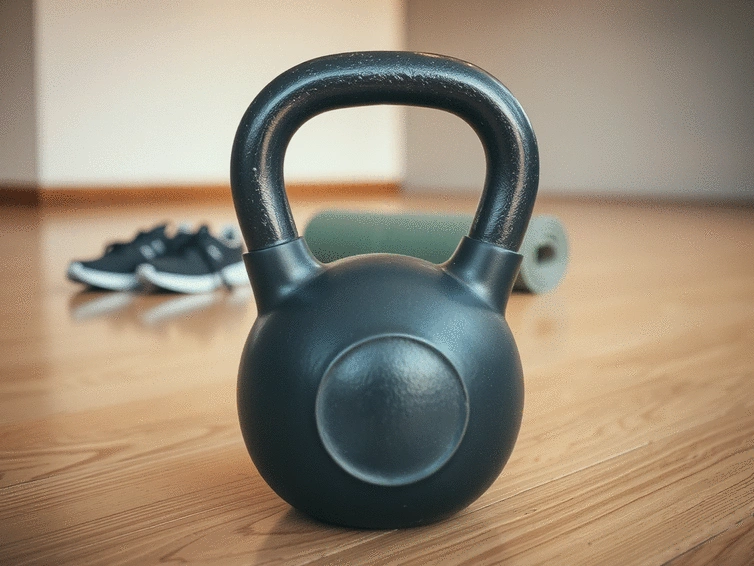
Are you ready to elevate your kettlebell training? Let’s explore essential insights that will not only enhance your strength but also boost your overall fitness!
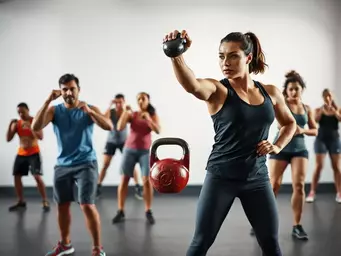
Kettlebell training combines functional strength and mobility to enhance daily performance and athletic ability. This visual outlines the core components and benefits for an effective training journey.
At Fitness Kettlebells, I often emphasize the importance of functional strength in our kettlebell training programs. Unlike traditional strength training that typically focuses on lifting heavy weights in a controlled environment, functional strength revolves around building strength through movements that mimic everyday activities. This means that the exercises you perform with kettlebells not only help you get stronger but also enhance your ability to carry out daily tasks with ease and efficiency!
Functional strength is essential because it translates into better performance in sports and more efficient movement patterns in daily life. Whether you're lifting groceries, playing with your kids, or engaging in sport, having a strong foundation helps prevent injuries and improves your overall quality of life. The beauty of kettlebell training is that it engages multiple muscle groups, promoting balance and coordination, which are critical for functional strength. For more in-depth information, you can refer to this study on kettlebell training for functional strength.
When we talk about functional strength, we're discussing the ability to use your strength in real-world situations. This contrasts with traditional strength training, which often isolates specific muscles. Functional strength incorporates core stability, balance, and range of motion, making kettlebell exercises incredibly effective.
As a certified strength and conditioning coach, I have seen firsthand how developing functional strength through kettlebell training can empower individuals. It helps athletes excel in their sport while also enabling everyday individuals to perform daily tasks with greater ease.
Mobility is more than just flexibility; it's about your joints' ability to move freely through their full range of motion. In kettlebell training, mobility plays a critical role in ensuring that you can perform exercises safely and effectively. When your joints are mobile, you're less likely to experience discomfort or injury during your workouts, which is key to successful training! Research, such as this article on mobility and performance, consistently highlights the importance of joint mobility for overall physical readiness.
Incorporating mobility work into your kettlebell routine can greatly enhance your performance. With improved mobility, you'll be able to execute movements with better form, leading to more effective workouts and faster progress. Think of mobility as the foundation upon which you build your strength; it allows for proper alignment and control.
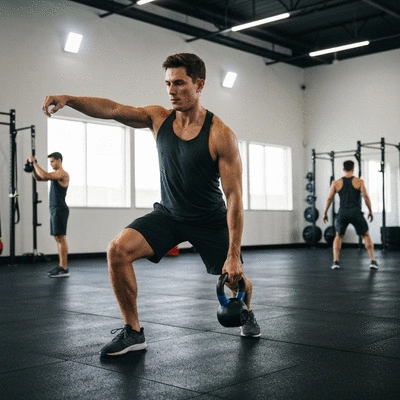
By integrating mobility training into your kettlebell workouts, you're setting yourself up for success. You'll notice that not only can you lift heavier weights, but your overall athletic performance improves. Remember, at Fitness Kettlebells, we are committed to helping you understand and implement these essential elements for a safer and more efficient training experience.
To build a solid kettlebell program, it's crucial to include exercises that enhance both strength and mobility. Here are some essential kettlebell exercises that I recommend:
Each of these exercises targets multiple muscle groups, ensuring a comprehensive approach to your fitness journey. By focusing on both strength and mobility, you’ll be setting a solid foundation for all your kettlebell training.
Choosing the right exercises is vital for creating a balanced kettlebell workout. I often recommend incorporating movements that engage multiple muscle groups. Some effective full-body kettlebell exercises include:
These exercises not only target different muscle groups but also enhance coordination and stability. By including a variety of movements, you can ensure that your workouts remain challenging and effective!
Structuring your kettlebell program is key to making steady progress towards your fitness goals. Here are a few program structures that I recommend:
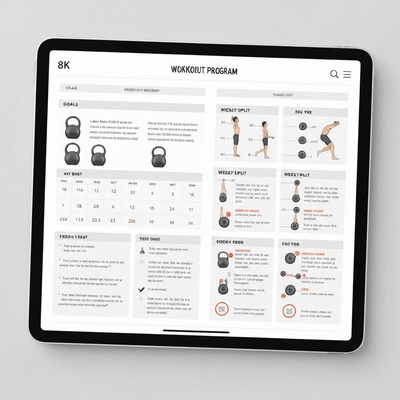
No matter which structure you choose, the goal is to maintain variety and challenge in your workouts. This approach not only keeps things interesting but also maximizes your results over time. At Fitness Kettlebells, we provide detailed guides to help you create the ideal program for your needs! For further insights into effective kettlebell training programs, consider reviewing this research on high-intensity kettlebell training.
To maximize your kettlebell training results, consider incorporating mobility drills before and after your workouts. Exercises like dynamic stretches and joint rotations can significantly enhance your range of motion, allowing for better performance during lifts and reducing the risk of injury. Remember, a well-rounded approach to strength and mobility will not only improve your kettlebell skills but also contribute to overall fitness!
Tracking your progress in kettlebell training is crucial for staying motivated and ensuring you're advancing toward your fitness goals. Unlike traditional strength training, where gains might be more visible, kettlebell training can sometimes feel subtle. That’s why using effective methods to monitor your progress is vital! Here are some tips on how to do just that:
By implementing these strategies, you’ll not only see your progress but also stay motivated to push further in your kettlebell journey. Just remember, progress isn't always linear, and that’s perfectly okay!
Your nutrition plays a vital role in supporting both functional strength and mobility goals while kettlebell training. Fueling your body correctly can enhance your energy levels and improve recovery times. Here are some essential nutritional tips:
By focusing on nutrition, you can better support your body, ensuring you have the energy and stamina to tackle those kettlebell workouts with vigor!
Keeping a training log is one of the best practices for tracking your kettlebell training progress. It not only helps you monitor gains but also keeps you accountable. Here’s why having a log is beneficial:
As you document your kettlebell sessions, remember to celebrate the small wins, as they lead to significant progress over time!
Now that you’ve got the tools to track progress and maintain your motivation, it’s time to take action! At Fitness Kettlebells, I encourage you to create a personalized kettlebell program based on the guidelines we’ve discussed. Tailor the workouts to fit your goals, whether that’s building strength, increasing mobility, or simply feeling more confident with a kettlebell in hand.
Joining a community of fellow fitness enthusiasts can significantly enhance your kettlebell journey. Consider engaging with online forums or local workout groups where you can share experiences, exchange tips, and find support. Remember, fitness is a journey best taken together—let’s motivate each other as we swing those kettlebells!
Here is a quick recap of the important points discussed in the article:
Kettlebell Programming Mistakes to Avoid
What if the key to unlocking your kettlebell potential lies in understanding programming? Many fitne
Progressing Your Kettlebell Form Safely
Have you ever hit a plateau in your training and felt stuck? Understanding how to progress effective
Kettlebell Routine for Strength and Mobility
Are you ready to transform your fitness journey with kettlebell training? The versatility of these w

Kettlebell Programming Mistakes to Avoid
Progressing Your Kettlebell Form Safely
Kettlebell Routine for Strength and Mobility
Kettlebell Equipment Selection Guide
Mastering the Hip Hinge Technique