
Importance of Neutral Spine
- • Prevents injuries
- • Improves performance
- • Enhances muscle control

Did you know that maintaining a neutral spine during kettlebell training can significantly enhance your performance and reduce the risk of injury? Understanding this fundamental principle is crucial for anyone looking to improve their strength and workout effectiveness.
This visual highlights the critical elements for effective and safe kettlebell training, focusing on the interconnectedness of spinal alignment, key muscle engagement, and overall posture.
When it comes to kettlebell training, one fundamental concept that can’t be overlooked is maintaining a neutral spine. This alignment is crucial not only for preventing injuries but also for enhancing your performance during exercises. A neutral spine means that your spine is in its natural position—aligned and supported by your muscles. By keeping this position, you reduce the risk of strain and ensure that your movements are as effective as possible! Research published in the National Library of Medicine emphasizes the importance of proper spinal alignment in preventing musculoskeletal injuries during physical activity.
In my experience, I’ve seen many individuals struggle with their form, which often leads to discomfort or even injury. Remember, a properly aligned spine allows for optimal energy transfer during kettlebell movements. Whether you’re swinging, squatting, or pressing, achieving a neutral spine maximizes your strength potential while minimizing the risk of injury, as discussed in an article by the National Strength and Conditioning Association (NSCA).
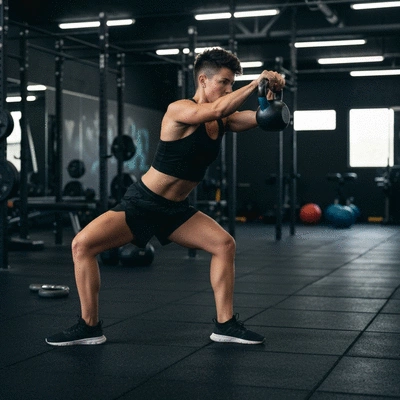
By focusing on maintaining a neutral spine, you’ll notice a significant improvement in your overall workout efficiency. This foundation allows you to engage the right muscles, ensuring that you’re not overworking others to compensate for poor alignment. Plus, it helps in building confidence as you master each movement!
To maintain a neutral spine, it’s essential to understand the key muscles involved in spinal alignment. The erector spinae, multifidus, and quadratus lumborum play vital roles in supporting your spine's natural curvature.
By understanding the role of these muscles, you can better appreciate how they contribute to your spinal alignment. Strengthening these areas will not only enhance your kettlebell performance but also support your overall posture in daily activities. It’s all about creating a solid foundation for your fitness journey!
Your overall posture has a profound impact on the efficiency of your kettlebell exercises. Good posture optimizes your movement patterns, allowing you to lift more effectively and with less strain. Think about it: when you’re standing tall with your chest open, it’s easier to execute a powerful swing or squat.
I always remind my clients that a solid posture doesn’t just help during workouts but translates into everyday life, promoting a healthier lifestyle overall. As you progress in your kettlebell training, keeping an eye on your posture will pay off in both performance and injury prevention! An honors project from Bridgewater State University further explores the relationship between posture and athletic performance.

As you consider your kettlebell training, what do you find most challenging when it comes to maintaining a neutral spine? Share your thoughts below:
As we wrap up our exploration of kettlebell training, it’s essential to reiterate the significance of maintaining a neutral spine and neck alignment. These principles are not just foundational; they are crucial for enhancing performance and preventing injuries. When you keep your spine aligned during kettlebell exercises, you not only improve your strength but also make your workouts more effective and enjoyable!
Remember, every workout is an opportunity to check your alignment. By focusing on your posture, you can maximize the benefits of each exercise. At Fitness Kettlebells, we believe that understanding these concepts can transform your training experience.
These expert tips serve as a roadmap for your kettlebell journey. By incorporating them into your routine, you’re setting yourself up for success. Always listen to your body and make adjustments as necessary. This not only fosters a better workout but also helps you progress in your fitness goals.
I invite you to practice the techniques we’ve discussed and embrace a mindset of continuous learning. At Fitness Kettlebells, we’re here to support your journey, whether you’re a beginner or a seasoned athlete. Check out our extensive resources, including video tutorials and detailed guides, to deepen your understanding of kettlebell training.
Remember that every kettlebell workout is a chance to refine your technique. Make it a habit to review your posture and alignment regularly. As you become more familiar with these concepts, your confidence in performing kettlebell exercises will grow!
Proper spine and neck alignment in kettlebell training offers numerous health benefits that extend beyond your workouts. Here are a few key advantages:
By prioritizing your alignment, you are making a long-term investment in your health. These benefits not only enhance your kettlebell training experience but also contribute to your overall well-being. Keep pushing forward, and let's embrace the journey together at Fitness Kettlebells! Your commitment to your fitness is truly inspiring!
Here is a quick recap of the important points discussed in the article:
Kettlebell Programming Mistakes to Avoid
What if the key to unlocking your kettlebell potential lies in understanding programming? Many fitne
Progressing Your Kettlebell Form Safely

Have you ever hit a plateau in your training and felt stuck? Understanding how to progress effective
Kettlebell Routine for Strength and Mobility

Are you ready to transform your fitness journey with kettlebell training? The versatility of these w
Kettlebell Programming Mistakes to Avoid
Progressing Your Kettlebell Form Safely
Kettlebell Routine for Strength and Mobility
Kettlebell Equipment Selection Guide
Mastering the Hip Hinge Technique