

Kettlebell Technique Safety Checklist
Ready to transform your kettlebell training? Understanding the principles of safety and technique is your first step towards a stronger, injury-free workout. Prioritizing proper form isn’t just about avoiding injuries; it’s about unlocking your full potential in every lift.
What You Will Learn
- Injury prevention through proper technique is essential for safe kettlebell training.
- Mastering foundational movements like swings, deadlifts, and squats can enhance performance and build confidence.
- Common kettlebell mistakes and how to avoid them include incorrect wrist positioning and poor posture.
- Gradual progression in weight lifting helps prevent overexertion and injury.
- Engaging with a community can provide support and enhance your learning experience.
Kettlebell Training: Safety Principles and Risk Mitigation
This visual outlines the essential safety principles for kettlebell training, highlighting common risks and how to avoid them for effective and injury-free workouts.
Mastering the Basics
- •Focus on Form
- •Gradual Progression
- •Consistency is Key
Avoiding Common Mistakes
- •Improper Wrist Position
- •Poor Breathing Techniques
- •Incorrect Posture
Common Movements & Risks
- •Swing: Lower back strain
- •Deadlift: Back rounding
- •Squat: Knees caving inward
Next Steps for Enthusiasts
- •Review safety checklists
- •Seek trainer feedback
- •Prioritize warm-ups
Understanding Kettlebell Safety and Proper Technique
When it comes to kettlebell training, prioritizing safety is crucial. Proper form and technique not only help prevent injuries but also enhance your overall performance. As someone who has spent over a decade coaching individuals in kettlebell workouts, I can attest to the significant difference that mastering technique can make in your fitness journey!
Every kettlebell movement you perform carries some degree of risk, especially if done incorrectly. By focusing on safe practices, you create a foundation for effective training that promotes strength, endurance, and confidence in every workout.
Why Kettlebell Safety Matters
The importance of kettlebell safety cannot be overstated. Many beginners rush into workouts, eager to lift heavier weights without fully understanding the fundamental techniques. This can lead to injuries that not only hinder your progress but may also discourage you from continuing your fitness journey.
- Injury Prevention: Prioritizing proper technique reduces the risk of strains and sprains.
- Improved Performance: Safe movements allow for better strength gains and endurance.
- Confidence Building: Mastering form boosts your self-assurance as you progress.
Understanding the risks associated with kettlebell training helps you approach your workouts more mindfully. At Fitness Kettlebells, we advocate for a strong focus on technique to ensure your time spent training is both safe and effective!
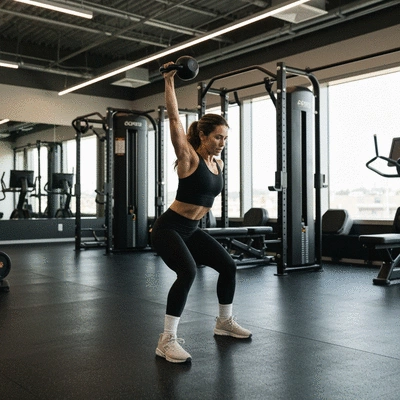
Common Kettlebell Movements and Their Risks
Before diving into specific exercises, let’s look at some foundational kettlebell movements and the associated risks. Three essential movements are the swing, deadlift, and squat. Each of these exercises has its unique benefits but also specific pitfalls that can lead to injuries if not performed correctly.
- Kettlebell Swing: A powerful movement that can strain the lower back if the hips aren't engaged properly. Research suggests that kettlebell training, when performed correctly, can be a highly effective method for improving strength and power, as highlighted in studies on kettlebell training's impact on healthy adults.
- Kettlebell Deadlift: Potential risk of rounding the back, which can lead to serious injuries.
- Kettlebell Squat: Common mistakes include letting the knees cave inward, which can cause discomfort and injury.
By being aware of these risks, you can focus on mastering the proper techniques and ensuring that each lift is performed with safety in mind. Remember, at Fitness Kettlebells, we are here to help you navigate these challenges and make every workout count!
Essential Safety Principles for Kettlebell Training
Mastering the Basics Before Progressing
Before you even think about advancing to complex lifts, it’s essential to master the basics. Understanding foundational techniques is critical for success. I always emphasize that building a strong base not only enhances your skills but also prepares your body for more challenging workouts!
- Focus on Form: Ensure you can perform basic movements with precision before adding weight.
- Gradual Progression: Increase your kettlebell weight gradually to avoid overexertion.
- Consistency is Key: Regular practice of foundational lifts will help solidify your technique.
By taking the time to get the basics right, you're investing in your long-term success and safety in kettlebell training.
Avoiding Common Kettlebell Mistakes
Many newcomers make common mistakes that can lead to injury or ineffective training. Let's highlight a few frequent errors and how to correct them:
- Improper Wrist Position: Ensure your wrists are straight and aligned with your forearm during lifts.
- Poor Breathing Techniques: Always remember to exhale during exertion and inhale on the way down.
- Incorrect Posture: Maintain a neutral spine and engage your core throughout each movement.
By consciously addressing these errors, you’ll greatly improve your form. At Fitness Kettlebells, we believe that awareness is one of the first steps towards safe and effective training!
We Want to Hear From You!
What do you think about the importance of mastering kettlebell technique? Share your thoughts below:
Recap of Key Strategies for Safe Kettlebell Training
As we wrap up our discussion on kettlebell safety, it's essential to remember that the core of effective training lies in proper technique and safety. By understanding foundational movements, recognizing common risks, and adhering to safety principles, we can significantly reduce the chance of injury. Incorporating the provided checklists ensures you’re prepared for a safe and effective workout each time.
Additionally, I encourage you to continuously reflect on your form and progress. Regularly assessing your kettlebell technique will not only boost your confidence but also enhance performance!
Next Steps for Kettlebell Enthusiasts
Ready to take your training to the next level? Here are some actionable steps you can implement:
- Review and apply the safety checklists outlined in this article.
- Seek feedback from certified trainers to fine-tune your technique.
- Prioritize proper warm-ups and cooldowns in every session.
- Stay mindful of your body's signals during workouts to avoid overexertion.
These simple yet effective steps can make a world of difference in your kettlebell journey. Remember, at Fitness Kettlebells, we’re all about helping you build strength safely!

FAQs About Kettlebell Safety and Technique
1. Why is proper form important in kettlebell training?
Proper form is crucial because it not only prevents injuries like strains and sprains but also enhances overall performance, allowing for better strength gains and endurance. It builds confidence as you master movements safely.
2. What are some common kettlebell movements that carry risks if done incorrectly?
Common movements like the kettlebell swing can strain the lower back if hips aren't engaged correctly. The kettlebell deadlift risks back rounding, and squats can lead to knee discomfort if knees cave inward. Being aware of these pitfalls is key to safe training.
3. How can I avoid common kettlebell mistakes?
To avoid common mistakes, ensure proper wrist alignment, practice correct breathing techniques (exhaling during exertion), and maintain a neutral spine and engaged core for good posture throughout movements. Consistent practice of foundational lifts helps solidify good technique.
4. What is the role of gradual progression in kettlebell training?
Gradual progression is vital to prevent overexertion and injury. It involves slowly increasing kettlebell weight and mastering basic movements with precision before moving on to more complex exercises. This builds a strong, safe foundation for advanced training.
5. How can engaging with a community enhance my kettlebell training?
Engaging with a kettlebell community, whether through local classes, online forums, or workshops, provides support, motivation, and invaluable insights. Learning from experienced instructors and peers can significantly enhance your skills and overall fitness experience.
Engaging with the Community and Further Learning Opportunities
Connecting with others who share your passion can enhance your fitness experience! Consider these options:
- Join a local kettlebell class to learn from experienced instructors.
- Participate in online forums or social media groups dedicated to kettlebell training.
- Attend workshops or events featuring certified trainers.
By engaging with the community, you'll find support, motivation, and invaluable insights that can help you on your path. The benefits of kettlebell training on various fitness aspects, including grip strength, are well-documented, as explored in articles like "Kettlebell Swing Training Improves Postural Stability and Grip Strength".
Exploring Nutrition and Supplementation for Optimal Performance
Nutrition plays a pivotal role in your kettlebell training success. Here are a few key points to consider:
- Focus on a well-balanced diet rich in proteins, healthy fats, and carbohydrates.
- Stay hydrated to maintain optimal performance and recovery.
- Consider supplements like protein powder or BCAAs to support muscle repair and growth.
Incorporating proper nutrition and supplementation into your routine will enhance your workouts and aid recovery. As a fitness enthusiast, I can’t emphasize enough how vital these aspects are for achieving your fitness goals. Let’s fuel our bodies right and maximize our kettlebell training!
Recap of Key Points
Here is a quick recap of the important points discussed in the article:
- Prioritize Safety: Master proper technique to reduce injury risk and enhance performance.
- Understand Common Risks: Be aware of the potential pitfalls in fundamental kettlebell movements like swings, deadlifts, and squats.
- Master the Basics: Focus on form and gradual progression before advancing to more complex lifts.
- Avoid Common Mistakes: Maintain proper wrist position, breathing techniques, and posture during workouts.
- Engage with the Community: Join classes, forums, or workshops to improve your skills and find motivation.
- Incorporate Nutrition: Fuel your body with a balanced diet and stay hydrated for optimal performance.




Kettlebell Programming Mistakes to Avoid
Progressing Your Kettlebell Form Safely
Kettlebell Routine for Strength and Mobility
Kettlebell Equipment Selection Guide
Mastering the Hip Hinge Technique