
Common Causes of Lower Back Pain
- • Tight Hip Flexors
- • Poor Hip Mobility
- • Compensatory Movement Patterns
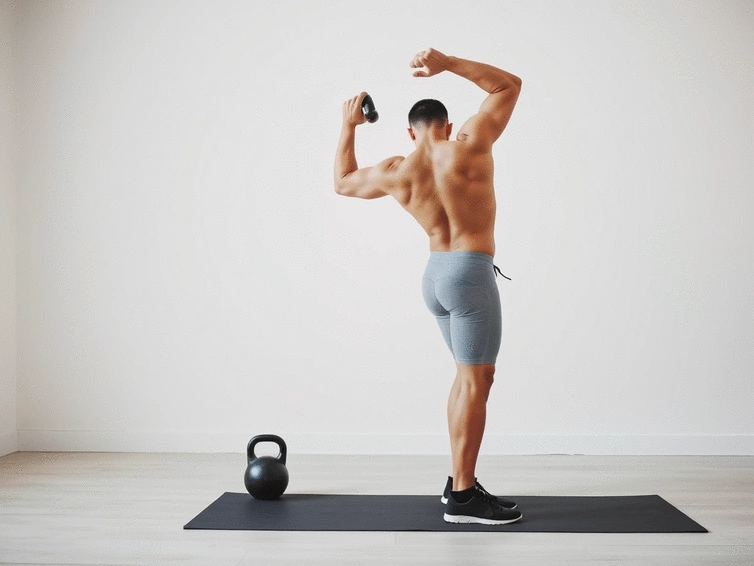
What if your kettlebell swings could be both powerful and pain-free? Achieving this balance requires understanding the mechanics behind your movements, ensuring you stay injury-free while maximizing your workout. Let’s explore some essential lessons that will elevate your kettlebell training experience!
Understanding the root causes of lower back pain during kettlebell swings and implementing corrective strategies can significantly improve your form and long-term back health.
Focus on pushing hips back, slight knee bend, neutral spine.
Tighten core as if bracing for impact to stabilize spine.
As a certified strength and conditioning coach, I've seen many individuals struggle with lower back pain while performing kettlebell swings. This issue often arises from a combination of factors, including tight hip flexors, poor hip mobility, and compensatory movement patterns. It's essential to identify these underlying issues to ensure a safe and effective kettlebell workout!
When your body isn't moving correctly, it can lead to discomfort and injuries, particularly in the lower back. Understanding these causes can help you take proactive steps to prevent pain and enjoy your kettlebell training journey.

Recognizing these common causes is the first step toward improving your form and reducing the risk of injury. Addressing these issues will not only help you swing better but also enhance your overall kettlebell performance!
Maintaining proper posture during kettlebell swings is crucial for preventing injury. A neutral spine alignment allows your body to distribute weight evenly, reducing strain on your lower back. When you swing, think about keeping your back straight and your core engaged.
This not only protects your back but also improves your swing efficiency! Proper posture enhances your power output and stability, allowing you to maximize the benefits of your kettlebell training.
Your core plays a significant role in maintaining proper posture during kettlebell swings. A strong core provides stability and support for your spine, minimizing the chances of injury. Without sufficient core strength, it's easy to lose form and put unnecessary strain on your lower back.
By focusing on strengthening your core, you'll not only enhance your kettlebell swing technique but also support your lower back health, paving the way for a more enjoyable workout experience!
Detailing the mechanics of hip hinging is vital for safe kettlebell swings. To effectively engage your posterior chain and support your lower back health, start by standing with your feet shoulder-width apart. Imagine pushing your hips back while maintaining a slight bend in your knees.
This movement should feel natural, as if you’re reaching for something behind you. By mastering this hip hinge, you’ll set a strong foundation for your swings, ensuring that your back remains protected, as detailed in a study on kettlebell swing mechanics and muscle activation.
Incorporating core bracing techniques can be a game-changer for stabilizing your spine and avoiding lower back strain during kettlebell swings. Before you begin your swing, take a deep breath, and tighten your core as if you're preparing for a gentle punch to the stomach.
This simple action creates an internal pressure that supports your spine and keeps your posture aligned throughout the movement. With practice, core bracing will become second nature, further enhancing your kettlebell performance!
To execute kettlebell swings effectively, it's important to implement posture correction strategies. Here are a few techniques that can help:
By consistently applying these strategies, you'll improve your kettlebell swing execution and significantly reduce the risk of injury, allowing you to stay committed to your fitness journey!
To maximize your kettlebell swing effectiveness and minimize the risk of lower back pain, focus on your breathing. Inhale deeply as you prepare for the swing, and exhale forcefully as you drive your hips forward. This not only helps maintain core engagement but also ensures a smooth and powerful movement, enhancing your overall performance!
At Fitness Kettlebells, we understand that maintaining a healthy back is vital for enjoying kettlebell training long-term. Integrating corrective exercises and mobility work into your regular routine can be a game-changer. Not only does it promote recovery, but it also enhances your overall performance during kettlebell swings.

To keep your back in tip-top shape, it's essential to incorporate a few key strategies consistently. Here’s a list of maintenance techniques that can support your back health:
By consistently applying these methods, you'll build resilience in your lower back and enhance your kettlebell training experience!
Kettlebell swings are not just any exercise; they hold unique benefits when compared to other posterior chain movements like deadlifts. Understanding these differences can help you make informed training choices. Here’s a quick comparison:
While both exercises can be valuable, incorporating kettlebell swings into your routine can provide a broader range of benefits, especially for overall fitness!
If you're dealing with lower back pain, consulting a physical therapist can be an excellent step toward safe kettlebell swing practices. They can offer tailored advice and exercises to address specific issues. A review from PMC (PubMed Central) highlights the importance of individualized approaches to rehabilitation. Here’s how physical therapy can enhance your kettlebell training:
Incorporating physical therapy into your routine can be a proactive approach to ensuring a pain-free kettlebell experience!
Creating a balanced kettlebell workout schedule is essential for prioritizing form, safety, and gradual progression. As a coach, I encourage you to think about your fitness journey. Here are some tips for developing a sustainable routine:
Remember, consistency is key! By following these guidelines, you set yourself up for success.
Injury prevention should always be a priority. Incorporating specific techniques into your kettlebell workouts can help maintain long-term spinal health. Here are some effective strategies to consider:
By emphasizing these techniques, you can greatly reduce your risk of injury and continue enjoying the benefits of kettlebell training!
Your kettlebell journey is unique, and I invite you to share your experiences with our community at Fitness Kettlebells. Whether it's challenges you've faced or tips you've discovered, your insights can inspire others! Additionally, don’t hesitate to seek guidance from fitness professionals if you have questions or need support. We're here to help each other grow and learn.
By fostering a supportive community, we can all work together to achieve our fitness goals safely and effectively!
Here is a quick recap of the important points discussed in the article:
The main causes include tight hip flexors, poor hip mobility, insufficient core strength, and compensatory movement patterns that put undue stress on the lower back.
Maintaining a neutral spine alignment and an engaged core ensures that weight is distributed evenly, reducing strain on the lower back and improving overall swing efficiency and stability.
Hip hinging is a fundamental movement where you push your hips back while maintaining a slight bend in your knees and a neutral spine. It's crucial for kettlebell swings because it properly engages the posterior chain, protecting the lower back from strain.
Core bracing involves tightening your core muscles as if preparing for impact. This action creates internal pressure that stabilizes the spine, keeps your posture aligned, and prevents lower back strain during swings, leading to enhanced performance.
Strategies include using video analysis to review your form, practicing with lighter weights to focus on technique, and seeking professional guidance from a trainer or coach for personalized feedback and adjustments.
Kettlebell Programming Mistakes to Avoid
What if the key to unlocking your kettlebell potential lies in understanding programming? Many fitne
Progressing Your Kettlebell Form Safely

Have you ever hit a plateau in your training and felt stuck? Understanding how to progress effective
Kettlebell Routine for Strength and Mobility
Are you ready to transform your fitness journey with kettlebell training? The versatility of these w

Kettlebell Programming Mistakes to Avoid
Progressing Your Kettlebell Form Safely
Kettlebell Routine for Strength and Mobility
Kettlebell Equipment Selection Guide
Mastering the Hip Hinge Technique