
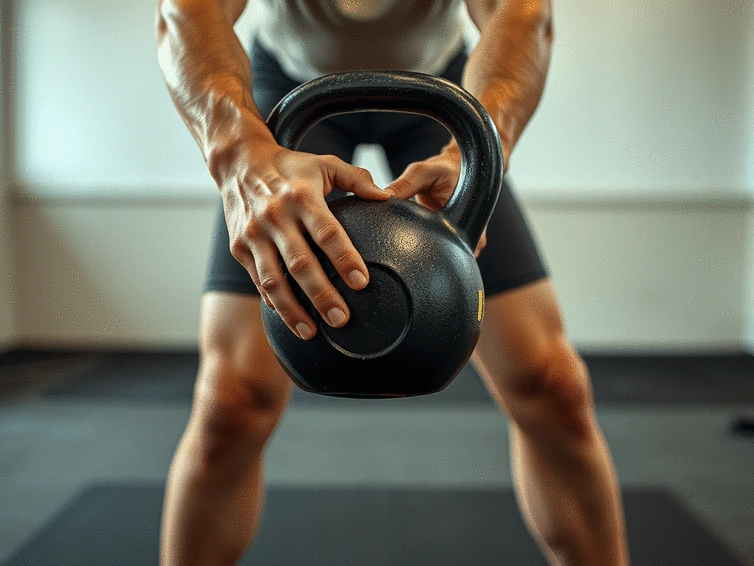
Kettlebell Grip and Stance Basics
Have you ever considered how the basics of kettlebell training can significantly impact your performance? Understanding the right grip and stance is crucial for maximizing your workouts and preventing injuries. Let's explore the essential takeaways that can enhance your kettlebell journey!
What You Will Learn
- A proper grip enhances control during kettlebell movements, reducing the risk of injury.
- Maintaining a solid stance improves balance and stability, especially in complex exercises.
- Using chalk can help improve grip and prevent blisters during workouts.
- Engaging your core and aligning your joints are essential for safe and effective kettlebell training.
- Focusing on foundational grips, like the V-Grip and Goblet Stance, sets the stage for advanced techniques.
- Setting realistic fitness goals is crucial for tracking progress and maintaining motivation in your kettlebell journey.
Kettlebell Training Foundations: Grip & Stance Essentials
This visual summarizes the critical elements of kettlebell grip and stance, vital for beginners to ensure effective workouts and prevent injuries, alongside key techniques and goals.
Why Grip & Stance Matter
- Control during dynamic movements.
- Stability for complex exercises.
- Good form reduces injury risk.
Injury Prevention Techniques
- Use chalk for better grip.
- Engage core to prevent back rounding.
- Start with lighter kettlebells.
Key Beginner Grips & Stances
- V-Grip: For swings & cleans.
- Goblet Stance: For upright squats.
- Bottoms-Up Grip: For overhead stability.
Setting Realistic Fitness Goals (SMART)
- Specific & Measurable.
- Attainable & Relevant.
- Time-Bound.
Understanding the Importance of Kettlebell Grip and Stance
When it comes to kettlebell training, one of the most vital aspects is understanding the significance of proper grip and stance. As a coach, I’ve seen firsthand how beginners often overlook these foundational elements, leading to less effective workouts and even injuries. A solid grip and stance not only improve your performance but also ensure you're getting the most out of each exercise!
Imagine holding the kettlebell too tightly or standing too far apart; it can lead to unnecessary strain on your body. By focusing on these basics, you’ll not only enhance your workout efficiency but also build a strong foundation for more advanced kettlebell techniques.
Why Proper Grip and Stance Matter for Beginners
For beginners, mastering the right grip and stance sets the stage for success. A proper grip allows you to control the kettlebell effectively, while a solid stance provides balance and stability. Achieving this control is essential as kettlebell training has been shown to significantly improve muscle strength and power. Here are a few key points to consider:
- Control: A secure grip enables you to manage the kettlebell during dynamic movements.
- Stability: The right stance helps maintain balance, especially during complex exercises.
- Form: Proper grip and stance promote good form, reducing the risk of injuries.
As you practice, keep in mind that these elements are not just technicalities; they are essential for developing strength and confidence as you progress in your kettlebell journey.
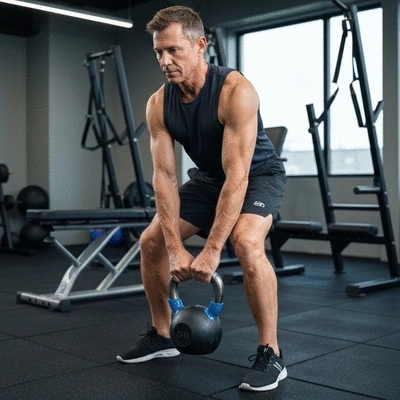
Avoiding Common Injuries: Blisters and Back Rounding
Injury prevention is crucial, particularly when you’re starting out. Common injuries like blisters from improper grip or back rounding due to poor stance can derail your progress. Here’s how to mitigate these issues:
- Use chalk: This can help improve your grip and reduce the chances of blisters.
- Practice your stance: Ensure your back stays straight and your core is engaged to avoid rounding.
- Start light: Use a lighter kettlebell until you feel comfortable with your grip and stance.
By being mindful of these aspects, you not only protect yourself from pain but also cultivate a more enjoyable workout experience.
Injury Prevention Through Proper Technique and Body Mechanics
Proper technique and understanding body mechanics are essential in preventing injuries. When executing kettlebell exercises, your body should work like a well-oiled machine. For instance, maintaining proper form during swings, as highlighted by research on biomechanics, can protect your spine and enhance power transfer. Here are some techniques to consider for injury prevention:
- Engage your core: A strong core stabilizes your body and supports your movements.
- Align your joints: Ensure your wrists, elbows, and knees are aligned during exercises.
- Warm-up: Always start with a warm-up to prepare your muscles and joints for the workout ahead.
Implementing these techniques into your training will not only promote safety but also enhance your performance. Remember, at Fitness Kettlebells, we focus on equipping you with the knowledge to safely master your kettlebell skills!
Exploring Various Kettlebell Grip Techniques
Now that we've laid the groundwork with grip and stance, let’s dive into the various kettlebell grip techniques. Mastering these grips will give you more control over the kettlebell and help target different muscle groups during your workouts.
Pro Tip
Did you know? Focusing on your grip and stance can significantly enhance the efficiency of your kettlebell workouts. A relaxed grip helps maintain fluid movement, while a stable stance minimizes the risk of injury. Make it a habit to consciously check your grip and stance before every set!
Summarizing Key Takeaways for Beginners
As you embark on your kettlebell journey, it's vital to grasp the essential grips and stances that will serve as the foundation for your workouts. Remember, mastering these elements ensures not only efficiency in your training but also enhances your safety as you progress. Here are some key grips and stances that every beginner should focus on:
- V-Grip: Great for swings and cleans, promoting strong wrist alignment.
- Goblet Stance: Essential for squats, allowing for an upright torso and balanced weight distribution.
- Bottoms-Up Grip: Increases grip strength and stability during overhead movements.
These foundational techniques will boost your confidence and set the stage for more advanced kettlebell exercises down the line. As you practice, keep in mind that consistency is key to becoming proficient!
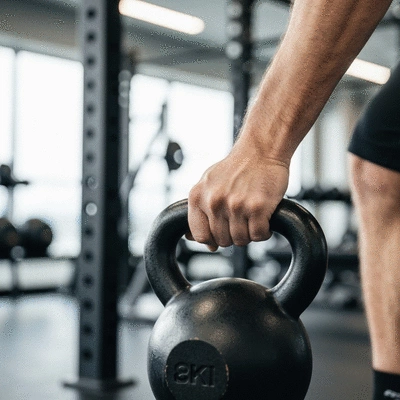
Next Steps: Practicing Your Skills and Building Confidence
Now that you have a solid understanding of the important grips and stances, it's time to put them into practice. I recommend starting with a dedicated practice session focused solely on these techniques. Here’s how to structure it:
- Warm up with dynamic stretches to prepare your body.
- Spend 5-10 minutes practicing each grip while holding the kettlebell.
- Incorporate simple movements like swings and goblet squats to reinforce your stance.
- Cool down with stretches, focusing on your forearms and back.
As you repeat these skills, you'll notice your confidence grow! Practicing regularly will help you feel more comfortable and ready for more challenging workouts.
Fitness Goals: Setting Realistic Expectations with Kettlebell Training
Setting realistic fitness goals is crucial for your success and motivation. At Fitness Kettlebells, I always encourage my clients to start with small, achievable objectives that pave the way for larger milestones. To get started with kettlebells effectively, it's beneficial to understand how to choose the right weight and proper starting exercises. Here are some tips for setting effective kettlebell goals:
- Specific: Define what you want to achieve, such as "perform 10 kettlebell swings with proper form."
- Measurable: Track your progress, such as increasing the weight of your kettlebell or the number of reps.
- Attainable: Ensure your goals are within reach, especially as a beginner.
- Relevant: Make sure your goals align with your overall fitness journey.
- Time-Bound: Set a deadline to keep yourself accountable.
By following these guidelines, you’ll set yourself up for success and create a fulfilling kettlebell experience!
Frequently Asked Questions About Kettlebell Grip & Stance
Here are some common questions about kettlebell grip and stance to help clarify key points from the article:
- Q: Why is proper grip so important in kettlebell training?
- A: Proper grip is crucial for control during dynamic movements, reduces the risk of injury like blisters, and allows for effective targeting of muscle groups. It’s a foundational element for both safety and performance.
- Q: What are the benefits of maintaining a solid stance?
- A: A solid stance improves balance and stability, especially during complex exercises. It ensures good form, which is essential for preventing injuries such as back rounding and maximizing workout efficiency.
- Q: How can I prevent common injuries like blisters and back rounding?
- A: To prevent blisters, consider using chalk and ensuring a relaxed, yet secure grip. For back rounding, focus on engaging your core and maintaining a straight back throughout your movements. Starting with lighter kettlebells also helps in mastering form before increasing weight.
- Q: What are some essential kettlebell grips for beginners?
- A: Beginners should focus on mastering the V-Grip for swings and cleans, the Goblet Stance for squats, and the Bottoms-Up Grip for enhancing grip strength and overhead stability. These form the basis for more advanced techniques.
- Q: How should I set realistic fitness goals for kettlebell training?
- A: Set SMART goals: Specific, Measurable, Attainable, Relevant, and Time-Bound. For example, "perform 10 kettlebell swings with proper form within one month." This approach helps in tracking progress and staying motivated.
Engaging with the Kettlebell Community
One of the best aspects of kettlebell training is the community that surrounds it. Engaging with other fitness enthusiasts can provide support, motivation, and additional resources along your journey. Here are some ways to connect:
Seeking Guidance: Tips for Finding Local Classes and Online Resources
Finding the right resources can elevate your kettlebell training experience. Here are a few avenues to explore:
- Local Gyms: Many gyms offer kettlebell classes led by certified instructors.
- Online Communities: Join forums or social media groups dedicated to kettlebell training.
- YouTube Channels: Look for fitness professionals who specialize in kettlebell techniques.
These resources not only help you refine your skills but also connect you with others who share your passion for fitness!
Sharing Your Progress: Connecting with Others on Social Media
Don't underestimate the power of social media for building connections in the kettlebell community. Sharing your progress on platforms like Instagram or Facebook can inspire both you and others. Some effective ways to share include:
- Post workout videos showcasing your technique.
- Share tips you've learned along the way.
- Engage with others by commenting on their posts for mutual support.
Engaging with others can also lead to valuable feedback and encouragement, making your fitness journey even more enjoyable!
Online Coaching and Fitness Apps: Enhancing Your Kettlebell Experience
Lastly, consider utilizing online coaching and fitness apps to help you enhance your kettlebell experience. Here are some benefits:
- Personalized Workouts: Many apps offer tailored kettlebell programs based on your fitness level.
- Progress Tracking: Keep tabs on your workouts and set new goals as you improve.
- Expert Guidance: Access to coaches who can provide tips and corrections for your form.
Utilizing these tools can be a game-changer in your training, offering structured support and connection!
Recap of Key Points
Here is a quick recap of the important points discussed in the article:
- Importance of Grip and Stance: Proper grip and stance are crucial for effective kettlebell training, enhancing performance and reducing injury risk.
- Injury Prevention: Key strategies include using chalk, maintaining a straight back, and starting with lighter weights to avoid common injuries.
- Essential Techniques: Focus on engaging your core, aligning joints, and warming up to promote safety and improve technique.
- Grips and Stances for Beginners: Master the V-Grip, Goblet Stance, and Bottoms-Up Grip to build a strong foundation.
- Setting Fitness Goals: Establish specific, measurable, attainable, relevant, and time-bound (SMART) goals to stay motivated and track progress.
- Community Engagement: Connect with local classes, online resources, and social media to enhance your kettlebell experience and share your journey.
Kettlebell Programming Mistakes to Avoid
Progressing Your Kettlebell Form Safely
Kettlebell Routine for Strength and Mobility
Kettlebell Equipment Selection Guide
Mastering the Hip Hinge Technique