
1. Neglecting Proper Setup
Starting position is crucial. Kettlebell should be slightly in front, feet shoulder-width apart.
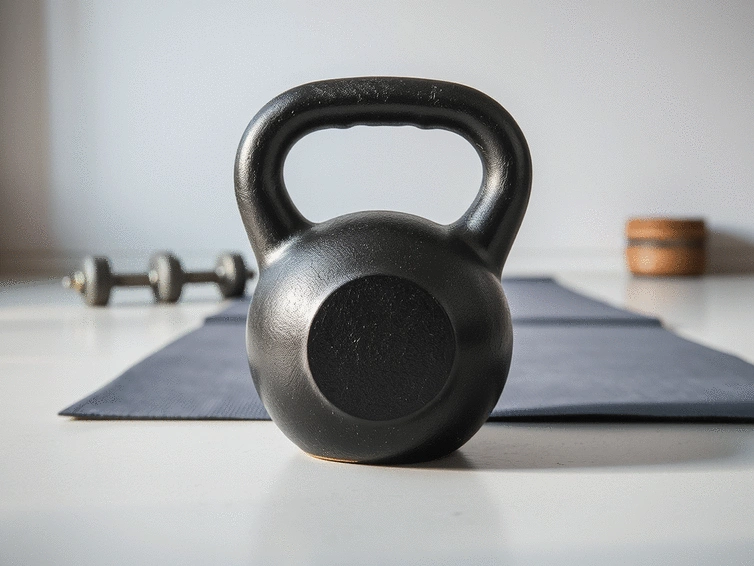
When it comes to kettlebell training, mastering your technique is not just an option; it's essential. As you refine your form, you will not only enhance your performance but also significantly reduce the risk of injury. Are you ready to take your kettlebell skills to the next level? Let’s explore some key insights that will set the foundation for effective training!
Understanding and correcting common mistakes is key to safe and effective kettlebell training. This visual guide highlights 5 frequent errors and how to address them.
When it comes to kettlebell training, proper form isn't just a suggestion—it's essential for both safety and performance. As someone who has spent over a decade in the fitness world, I can assure you that mastering your technique can make a significant difference in your results. When you prioritize the correct form, you not only enhance your workout's effectiveness, but you also reduce the risk of injury.
Imagine executing a swing or a snatch with perfect technique; not only will you feel stronger, but your confidence will grow too! That’s the beauty of focusing on kettlebell form. It sets the foundation for everything else you’ll do in your training journey.
Understanding the mechanics of each exercise is crucial. With kettlebells, the way you move can directly impact your results. Here are a few reasons why technique should always be your priority:
It's easy to overlook the technical aspects when you're eager to push your limits, but remember: great technique leads to greater results!
One of the most common reasons people step away from kettlebell training is due to injuries. They often arise from poor form or rushing through movements. When we take the time to understand our body mechanics, we’re actively working to protect ourselves. Here’s how good form can help:
By committing to proper form, you not only enhance your performance but also create a sustainable kettlebell practice that you can enjoy for years to come!
Even seasoned kettlebell enthusiasts can fall into traps when it comes to form. Recognizing common mistakes is the first step toward improving your technique. Throughout my years of coaching at Fitness Kettlebells, I’ve noticed several mistakes that can impact progress and safety.
Let's dive into some of the most frequent form mistakes we see, starting with the basics of setup!
The right setup is crucial for any kettlebell exercise. Begin by standing with your feet shoulder-width apart, making sure your kettlebell is positioned slightly in front of your feet. This ideal starting position allows for a smooth and safe movement.
Your grip on the kettlebell should be firm but relaxed. Hold the handle with both hands, ensuring your wrists are straight. A stable stance will provide a solid foundation for your lifts. If you find yourself shifting your weight, it's a sign that your stance may need adjustment!
Many beginners make the mistake of relying solely on their arms during swings. Remember, kettlebells are designed to engage your entire body, especially the hips. Use a hip hinge to initiate the movement for better power and efficiency. Furthermore, a study on the reliability of kettlebell swings emphasizes the importance of proper hip drive.
Practice the hip hinge by standing tall and pushing your hips back while keeping your back straight. This movement is fundamental for swings and other kettlebell exercises. Trust me, once you master the hip hinge, your kettlebell workouts will feel more powerful!
A rounded back can lead to serious injuries, especially during dynamic movements like kettlebell swings. Always check in with your form—if you notice your back rounding, it’s time to correct it! Key indicators include discomfort in your lower back or feeling off-balance.
To maintain a neutral spine, remember to engage your core and keep your shoulders back. Practicing deadlifts can also help reinforce the importance of spinal alignment. As you swing, think about keeping your body in a straight line!
Sometimes, individuals instinctively squat when they should be hinging. This error can lead to inefficient movements and strain on your knees. Instead of dropping your hips down, focus on pushing them back to activate the posterior chain.
Focus on practicing swings with a hip hinge rather than a squat. Visualize engaging your glutes and hamstrings as you initiate the movement. This small shift can lead to big gains in your strength and performance.
Choosing an appropriate kettlebell weight is crucial for maximizing your workouts. Using a weight that's too heavy can lead to poor form and potential injuries, while too light won’t challenge your muscles effectively. Aim for a kettlebell that allows you to perform exercises with good form but still presents a challenge!
Experiment with different weights until you find one that feels right. Remember, your kettlebell training should push your limits but never compromise your safety. Regularly assess your strength levels to ensure you're using the right weight!
Breathing might seem simple, but it plays a crucial role in your performance. Inconsistent breathing can lead to fatigue and decreased focus during workouts. Remember to exhale during exertion—like when you swing—and inhale on the way down.
One helpful technique is to synchronize your breath with your movements. Before starting your set, take a few deep breaths to center yourself. This will help you maintain focus and energy throughout your workout.
Control over the kettlebell trajectory is essential for effective training. When you swing, the kettlebell should follow a straight line close to your body. If it swings too far away, it can lead to instability and potential injury.
Practice slow swings at first to get a feel for the path of the kettlebell. Gradually increase speed while maintaining control. The more you focus on your path, the more natural it will become!
Your core is the powerhouse of your body, and engaging it during kettlebell exercises is vital for stability and strength. When your core is stable, your movements become more controlled and powerful.
Incorporate planks, dead bugs, and Russian twists into your routine to build core strength. Remember, a strong core translates to better performance in all kettlebell movements!
Trying to jump into advanced moves without mastering the basics can be risky. It’s essential to progress gradually, allowing your body to adapt to new challenges while minimizing the risk of injury.
Before moving on to advanced exercises, ensure you can perform the foundational movements with confidence. If you’re unsure, consider seeking guidance from a coach who can provide personalized feedback.
Regularly checking your form can make a world of difference in your training. Over time, it’s easy to develop bad habits without realizing it. Make it a point to assess your form as part of your routine.
Consider using a mirror or recording yourself during workouts to evaluate your form. You might be surprised by what you discover! This practice can lead to significant improvements in your technique.
Now that we’ve covered common mistakes, let’s explore some key kettlebell exercises. The swing, deadlift, and snatch are foundational moves that can enhance strength, endurance, and coordination. For instance, understanding the nuances of a proper kettlebell snatch is vital for full-body engagement.
Each of these exercises targets specific muscle groups: swings engage the posterior chain, deadlifts primarily work the legs and back, while snatches incorporate a full-body effort. By mastering these movements, you can see substantial gains across your fitness journey!
Did you know? Regularly filming your kettlebell workouts can provide valuable insights into your form? Watching your technique allows you to spot mistakes you might not feel during the exercise. Aim to record your sessions at least once a month to track your improvements and refine your skills!
As we dive into the world of kettlebell training, it's crucial to remember that refining your technique is a journey! Here are some essential corrections and techniques to keep in mind:
These takeaways are not just guidelines; they're the foundation for a successful kettlebell journey! Remember, practice makes perfect, and the more you incorporate these techniques, the better you'll become.
Improving your kettlebell technique isn't a one-time effort; it requires consistent practice and self-assessment. I encourage you to regularly evaluate your form during workouts. Set aside time to record yourself performing key movements like swings and deadlifts. This allows you to see your technique from a new perspective and make necessary adjustments!
Continual self-assessment will help you recognize progress and maintain motivation. At Fitness Kettlebells, we're here to support you on your journey, ensuring that every workout is both effective and safe!
Here are some common questions to help clarify key aspects of kettlebell technique and training:
Proper form is crucial for both injury prevention and enhancing performance. It ensures you engage the correct muscles, maximize workout effectiveness, and avoid unnecessary strain on joints and ligaments, leading to a safer and more productive training experience.
If your arms feel tired quickly or if the kettlebell swing feels more like an arm lift than a powerful hip drive, you might be overusing your arms. Focus on initiating the movement by pushing your hips back and then exploding them forward, allowing your arms to act more as guides rather than primary movers.
Rounding your back can put significant stress on your spine, leading to potential injuries such as disc herniation or lower back pain. Maintaining a neutral spine ensures that the force is distributed correctly through your core and posterior chain, protecting your back.
Choose a weight that allows you to perform exercises with good form while still presenting a challenge. If your form breaks down, the weight is too heavy. If you can complete many repetitions effortlessly without feeling muscle engagement, it's likely too light. It's often recommended to start lighter and gradually increase the weight as your strength and technique improve.
Regular form checks are highly recommended. This could involve filming yourself periodically, using a mirror, or seeking feedback from a coach. Aim to assess your form at least once a month, or whenever you feel discomfort, to identify and correct any bad habits that may develop over time.
Now that you have a solid understanding of kettlebell techniques, it’s time to think about how to integrate this training into your routine. Whether you’re a beginner or advanced athlete, customizing your kettlebell workouts is key to achieving your fitness goals!
When you tailor your kettlebell workouts, you not only stay engaged but also ensure safe progress. Here are some tips for customizing your training:
By adjusting your workouts based on your skill level, you can keep progressing and stay excited about your kettlebell training journey!
At Fitness Kettlebells, we believe in empowering you with knowledge. Explore our extensive library of resources designed to enhance your understanding and execution of kettlebell training. You’ll find:
These resources are perfect for anyone looking to deepen their knowledge and improve their skills. Remember, learning is an ongoing process!
If you're serious about mastering kettlebell training, consider working with a personal trainer. A certified coach can provide tailored advice, correct your form, and help you stay motivated. Look for trainers with a strong background in kettlebell techniques.
Ask for recommendations, check their credentials, and don’t hesitate to reach out for a consultation. Investing in professional guidance can significantly fast-track your progress and enhance your confidence in kettlebell workouts!
In today’s digital age, online coaching has become a fantastic option for many fitness enthusiasts. You can receive personalized kettlebell training from the comfort of your home! Explore online platforms offering kettlebell coaching and certification programs to deepen your understanding and expertise.
With a variety of options available, you can find resources that fit your schedule and learning style. Whether you're preparing for competitions or simply want to improve your skills, online coaching can offer the flexibility and support you need!
Here is a quick recap of the important points discussed in the article:
Kettlebell Programming Mistakes to Avoid
What if the key to unlocking your kettlebell potential lies in understanding programming? Many fitne
Progressing Your Kettlebell Form Safely
Have you ever hit a plateau in your training and felt stuck? Understanding how to progress effective
Kettlebell Routine for Strength and Mobility
Are you ready to transform your fitness journey with kettlebell training? The versatility of these w
Kettlebell Programming Mistakes to Avoid
Progressing Your Kettlebell Form Safely
Kettlebell Routine for Strength and Mobility
Kettlebell Equipment Selection Guide
Mastering the Hip Hinge Technique