
What is Arm Dominance?
Reliance on one arm over the other in workouts, stemming from natural handedness, habits, or past injuries. Leads to imbalances which compromise performance and safety.
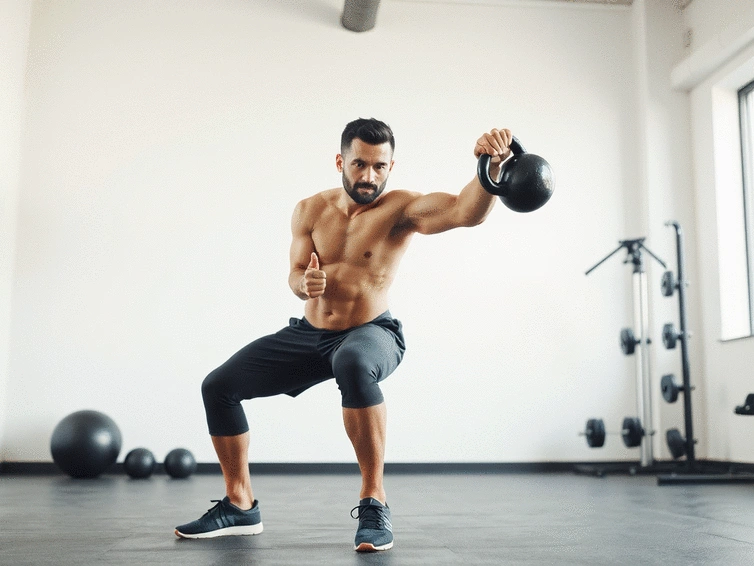
Consider this: muscle imbalances can silently affect your performance, leading to injuries and frustration. Recognizing arm dominance in kettlebell training is not just beneficial—it's essential for your growth and safety.
Understanding and addressing arm dominance in kettlebell training is critical for improving performance, preventing injuries, and ensuring long-term fitness. This visual highlights key aspects and effective strategies.
Reliance on one arm over the other in workouts, stemming from natural handedness, habits, or past injuries. Leads to imbalances which compromise performance and safety.
When we talk about arm dominance in kettlebell training, we're referring to the tendency of one arm to take over during exercises, impacting your overall strength and balance. This issue is not just about preference; it can significantly affect your performance and lead to potential injuries. Understanding arm dominance is crucial for anyone looking to enhance their kettlebell workouts effectively.
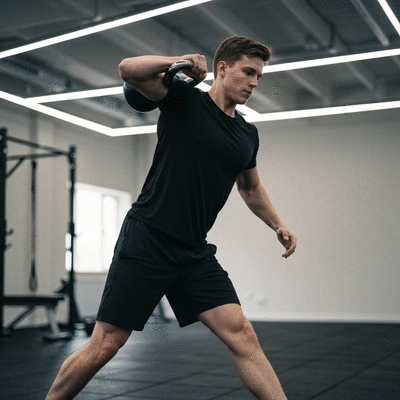
The question is, why does this matter? Well, in kettlebell training, proper form is everything! If one arm is consistently doing more work than the other, it can create imbalances that hinder your progress and affect your safety. At Fitness Kettlebells, I’ve seen firsthand how addressing these imbalances can lead to improved strength and better workout efficiency.
Arm dominance refers to the reliance on one arm over the other during workouts. This can stem from various factors, including previous injuries, daily habits, or simply natural handedness. The importance of recognizing arm dominance lies in its impact on your training outcomes. If you don’t address it, you may end up with a weaker side that can't perform optimally.
By focusing on both sides equally, you can foster a more balanced physique, which is especially vital in dynamic exercises like kettlebell swings and snatches. Research published in PMC NCBI highlights how unilateral training can effectively address such imbalances.
It’s essential to be aware of the signs that indicate arm dominance in your kettlebell sessions. Often, these signs can be subtle yet impactful on your training experience. I encourage my clients to pay close attention as they perform different movements.
Here are some indicators that might suggest you have arm dominance:
Being mindful of these signs can help you pinpoint areas for improvement! For further insights into identifying and correcting muscular imbalances, an article in PMC NCBI provides valuable information on muscle performance disparities.
Arm dominance can compromise your performance by limiting the muscle engagement of your weaker side. This can lead to overuse injuries, like tendinitis or shoulder issues, especially in repetitive movements. Ultimately, if you're not using both arms effectively, you're likely not getting the full benefits of your kettlebell training.
At Fitness Kettlebells, I emphasize the importance of balanced training to not only enhance performance but also promote long-term safety. Remember, the goal is to make progress without compromising your health!
Muscle imbalances often stem from arm dominance, affecting how you engage during your workouts. These imbalances can create a ripple effect, altering your form and leading to inconsistent results. Identifying and correcting these discrepancies is key to mastering kettlebell exercises.
In my experience, addressing these issues early on can help prevent injuries and enhance your strength over time. By understanding the connection between arm dominance and muscle imbalances, you can take proactive steps to create a more balanced training regimen!
To effectively combat arm dominance, incorporate unilateral exercises into your routine. By focusing on one arm at a time, such as with single-arm rows or presses, you can help strengthen your weaker side and promote overall balance in your kettlebell training.
Addressing arm dominance is crucial for anyone serious about kettlebell training, including myself as a seasoned coach. It plays a significant role in ensuring that your workouts are effective and safe. By recognizing and correcting imbalances, you set the stage for a more balanced fitness journey.
Understanding how arm dominance affects your performance can help you avoid injuries and improve your strength. Remember, a well-rounded approach to training not only enhances your skills but also promotes longevity in your fitness journey!
Let’s talk about why it’s essential to keep an eye on arm dominance. When one arm is stronger or more coordinated, you risk developing muscle imbalances. These imbalances can lead to injuries and hinder your overall progress in kettlebell training.
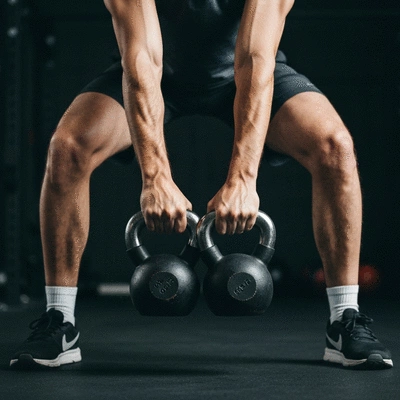
Focusing on correcting arm dominance not only helps you perform better but ensures you can keep lifting those kettlebells for years to come. It’s all about creating a sustainable and enjoyable fitness routine! For a comprehensive look at the importance of balanced strength, consider the findings in Frontiers in Sports and Active Living.
At Fitness Kettlebells, we believe that balanced training is key to achieving your goals. Incorporating exercises that challenge both sides of your body can lead to better performance. Here are some effective strategies:
By prioritizing a balanced approach, you’ll see not just improvement in your strength but also in your confidence while lifting!
Injury prevention is a critical aspect of any kettlebell workout. Implementing specific strategies can help you train safely and effectively. Consider the following:
Remember, staying injury-free allows you to train consistently and enjoyably. Make these strategies a regular part of your routine, and you’ll be on your way to mastering the art of kettlebell training!
Now that you’re equipped with the knowledge of arm dominance, it’s time to take action! Begin your self-assessment by identifying any imbalances in your training. Tracking your progress will not only keep you motivated but also help you see where adjustments are needed.
Don’t go through this journey alone! Join our community at Fitness Kettlebells for support, resources, and expert advice on kettlebell training. Together, we can share our experiences, learn from one another, and tackle the challenges of arm dominance as a team!
Here is a quick recap of the important points discussed in the article:
Kettlebell Programming Mistakes to Avoid
What if the key to unlocking your kettlebell potential lies in understanding programming? Many fitne
Progressing Your Kettlebell Form Safely
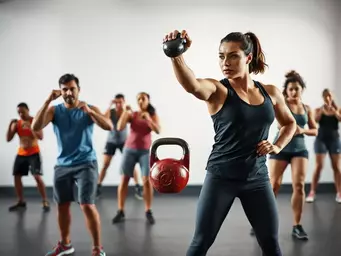
Have you ever hit a plateau in your training and felt stuck? Understanding how to progress effective
Kettlebell Routine for Strength and Mobility
Are you ready to transform your fitness journey with kettlebell training? The versatility of these w
Kettlebell Programming Mistakes to Avoid
Progressing Your Kettlebell Form Safely
Kettlebell Routine for Strength and Mobility
Kettlebell Equipment Selection Guide
Mastering the Hip Hinge Technique