
Key Functional Strength Aspects
Both kettlebell swings and goblet squats offer unique benefits for building functional strength, engaging various muscle groups, and contributing to overall strength and conditioning.
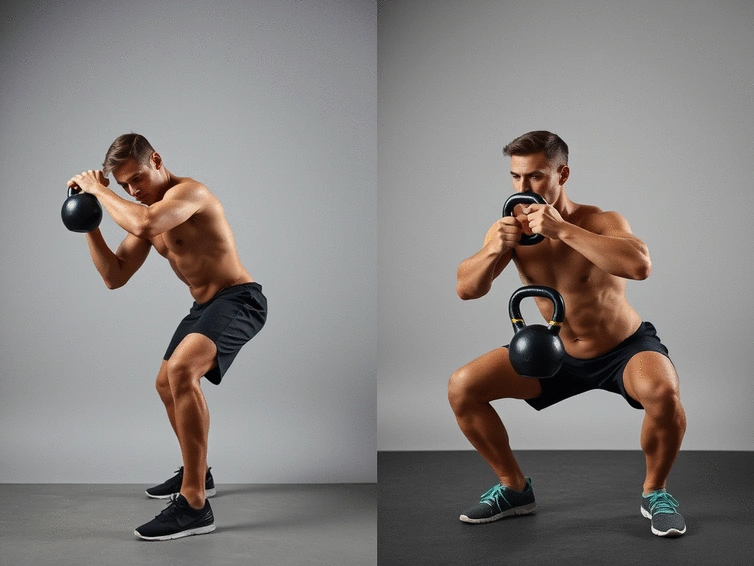
Are you ready to harness the power of kettlebells for a stronger, more resilient body? Kettlebell training offers unique benefits that can elevate your fitness journey. Let’s explore the essential exercises that will transform your training routine and help you achieve your fitness goals!
This visual compares the key characteristics and benefits of Kettlebell Swings and Goblet Squats, highlighting their primary focus areas and muscle engagement.
Both kettlebell swings and goblet squats offer unique benefits for building functional strength, engaging various muscle groups, and contributing to overall strength and conditioning.
A ballistic movement focusing on explosive power and rhythm. Primarily targets the posterior chain.
A foundational movement for core stability and lower body strength. Allows for proper form with kettlebell close to chest.
When it comes to kettlebell exercises, understanding the mechanics is crucial for maximizing their benefits. Kettlebell swings and goblet squats are two foundational movements that not only build strength but also enhance overall fitness. Let’s dive into these exercises, exploring how they work and why they’re so effective for both beginners and seasoned athletes alike!
As a certified strength and conditioning coach, I’ve seen firsthand how kettlebell training can transform fitness journeys. At Fitness Kettlebells, we’re dedicated to making these workouts accessible and enjoyable. So, let’s break down the kettlebell swing and goblet squat to see how they can elevate your training routine.
The kettlebell swing is a ballistic movement that thrives on power and rhythm. This dynamic exercise demands coordination, engaging multiple muscle groups as you propel the kettlebell forward using a hip hinge. When performed correctly, it can develop functional strength that transfers beautifully into everyday activities.
Incorporating swings into your routine can provide a robust workout, enhancing both strength and conditioning. Remember, the goal is to harness the power from your hips while maintaining core stability. This technique not only strengthens your body but also improves your movement efficiency!
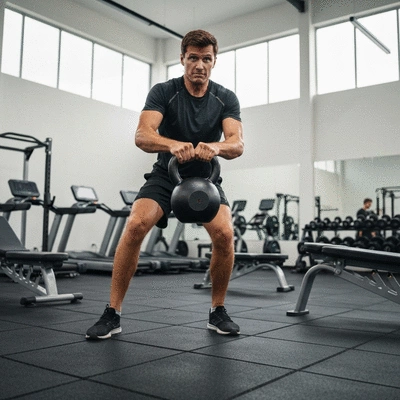
The unique ballistic nature of kettlebell swings allows for explosive movements that mimic real-life activities, making them an excellent choice for building functional strength. In essence, you’re training your body to generate power and control force, skills that are essential in various sports and daily tasks. For a deeper understanding of the biomechanics involved, you can refer to research on the effects of kettlebell training on strength and power.
As you swing the kettlebell, focus on engaging your core and glutes, as these are key players in maintaining stability and generating power. This exercise teaches your body to function as a cohesive unit, which is invaluable for overall strength development!
Kettlebell swings primarily target the posterior chain, which includes your glutes, hamstrings, and lower back. Engaging these muscles is crucial for improving posture and preventing injury. When you swing, your hips drive the movement, leading to stronger and more defined lower body muscles.
Incorporating swings into your training not only strengthens these muscle groups but also enhances your overall athletic performance. For more information on the specific muscles activated during kettlebell exercises, you might find this review on kettlebell research insightful.
While kettlebell swings primarily engage the lower body, they also provide an excellent upper body workout. Throughout the swing, your shoulders and arms maintain control of the kettlebell, which helps to build stability and strength in your upper body.
As you progress with this exercise, you may notice improved grip strength and shoulder endurance. This makes kettlebell swings a well-rounded choice for building total body strength!
The goblet squat is another fantastic exercise that complements kettlebell swings perfectly. This movement not only enhances your core stability but also builds strength throughout the legs. Holding the kettlebell close to your chest allows you to maintain proper form while engaging your entire body.
With a focus on control, goblet squats are ideal for both beginners and advanced lifters looking to refine their technique. They allow you to work on your squat form while feeling confident and secure!
One of the key benefits of goblet squats is how they improve core stability. By holding the kettlebell at your chest, you engage your core muscles throughout the movement, reinforcing proper form and balance. This not only supports your squats but also translates to better performance in other exercises!
As you progress with goblet squats, you’ll find that your ability to stabilize during other movements also improves, adding to your overall strength training journey. This focus on stability is a key factor in improving overall physical performance, as highlighted in studies like this research on kettlebell training for strength and power.
While goblet squats emphasize core stability, they also engage your lower body muscles, particularly the quadriceps and hamstrings. This makes them an essential component of a balanced workout routine.
As you squat down, feel the tension build in your quads and hamstrings. This engagement not only strengthens these muscles but also ensures that your legs are ready for other challenging workouts!
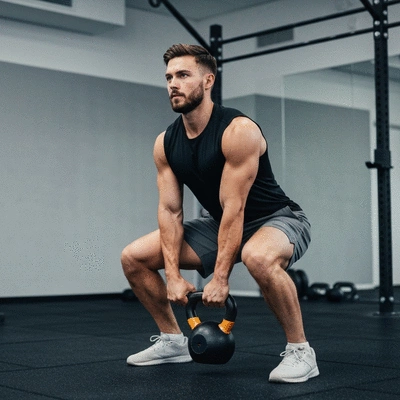
To maximize your lower body training, consider incorporating squat variations into your routine. By changing your stance or adding weights, you can target different muscle groups and keep your workouts fresh. Here are a few variations to try:
Adding these variations will not only enhance your lower body development but also keep your workouts engaging and effective!
We want to hear from you! How has kettlebell training impacted your fitness journey?
Kettlebell swings significantly enhance cardiovascular fitness, improve posterior chain strength (targeting glutes, hamstrings, and lower back), and boost overall athletic performance and grip strength through their ballistic nature.
Goblet squats are excellent for improving core stability and balance, engaging the quadriceps and hamstrings, and promoting proper squat form and spinal alignment. Holding the kettlebell close to the chest helps maintain good posture throughout the movement.
While kettlebell swings primarily focus on the lower body and posterior chain, they do engage the upper body by requiring shoulder and arm control to manage the kettlebell’s momentum. This helps build stability and strength in the shoulders and improves grip strength.
Engaging the posterior chain (glutes, hamstrings, and lower back) is crucial for improving posture, preventing injuries, and generating powerful movements. Strong posterior chain muscles are vital for many daily activities and athletic endeavors.
Yes, incorporating both kettlebell swings and goblet squats can yield the best results for overall functional strength and conditioning. Swings focus on explosive power and cardiovascular fitness, while squats build foundational lower body strength and core stability, making them highly complementary.
As we wrap up our discussion on kettlebell swings and goblet squats, it’s clear that both exercises offer unique benefits for building functional strength. Understanding which one suits your fitness journey can be pivotal in achieving your goals. Both of these movements engage various muscle groups and contribute to overall strength and conditioning, but they do so in different ways.
Let’s take a moment to reflect on some key aspects that can help you choose the right exercise for your training needs. Here are a few key takeaways to consider:
Making informed decisions about your workout regimen can lead to optimal training results. Remember, it’s not just about the exercises you choose, but also how they fit into your overall fitness strategy!
We at Fitness Kettlebells believe in creating a supportive community where fitness enthusiasts can share their experiences and learn from one another. I encourage you to join the conversation by sharing your thoughts on kettlebell swings and goblet squats. What have you discovered about these exercises?
For those looking to deepen their understanding, here are a few resources you might find helpful:
By engaging with others and utilizing these resources, you're setting yourself up for success in your kettlebell training journey. Remember, every workout is a step forward, so let’s keep pushing towards our goals together!
Here is a quick recap of the important points discussed in the article:
Kettlebell Programming Mistakes to Avoid
What if the key to unlocking your kettlebell potential lies in understanding programming? Many fitne
Progressing Your Kettlebell Form Safely
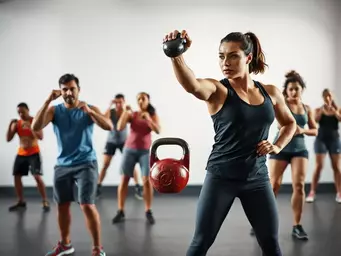
Have you ever hit a plateau in your training and felt stuck? Understanding how to progress effective
Kettlebell Routine for Strength and Mobility
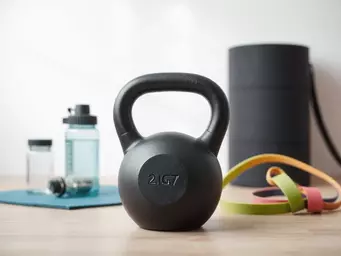
Are you ready to transform your fitness journey with kettlebell training? The versatility of these w
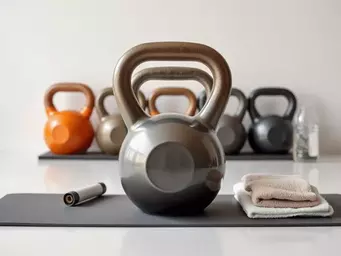
Kettlebell Programming Mistakes to Avoid
Progressing Your Kettlebell Form Safely
Kettlebell Routine for Strength and Mobility
Kettlebell Equipment Selection Guide
Mastering the Hip Hinge Technique