
Why Core Stability Matters
- ✓ Improves athletic performance
- ✓ Reduces risk of injury
- ✓ Enhances balance & coordination
- ✓ Supports better posture
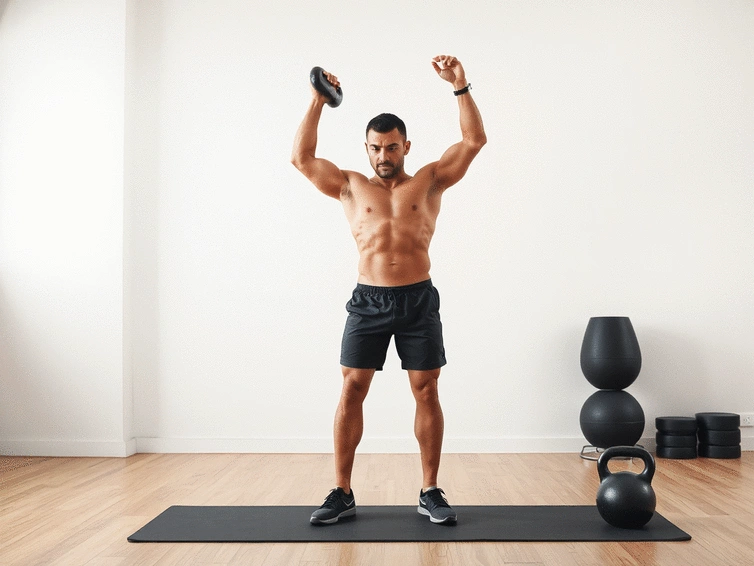
Ever wondered how a simple kettlebell can transform your fitness routine? The secret lies in core stability, a crucial element that enhances your performance and minimizes injury risk. Let’s explore the profound impact that kettlebell exercises can have on your overall fitness journey.
Kettlebell training is a dynamic way to build strength and stability. Below, we highlight the key components of core engagement and the comprehensive benefits of incorporating kettlebells into your fitness routine.
At Fitness Kettlebells, I’ve seen firsthand how vital core stability is for overall fitness success. Whether you're swinging a kettlebell or executing a squat, your core is the powerhouse that supports every movement. By developing a strong core, you not only improve your athletic performance but also protect yourself against injuries. Let's dive into why core stability matters and how kettlebell exercises can enhance it!
Core stability is the foundation of all physical activity. A strong core helps maintain balance, posture, and proper alignment during exercises. When your core is stable, you're less likely to experience fatigue and more likely to perform movements with efficiency. This is especially important not just for lifting weights but for everyday activities as well! Research from the National Institutes of Health highlights the critical role of core stability in reducing injury risk and enhancing overall physical function.

By focusing on core stability, you’re setting the stage to not only lift more but also enjoy workouts without the fear of injury. With kettlebell training, you can achieve this while also having fun!
Kettlebell exercises are a fantastic way to engage your core while also building strength throughout your body. The dynamic nature of these movements requires constant engagement of your core muscles, which means you’re working harder than you might realize! Exercises like swings, snatches, and Turkish get-ups are all designed to challenge your core stability. An ACE-sponsored research study on kettlebell training provides further insights into how effective these exercises are for overall fitness.
With kettlebell training, you’ll find that you're not just working out; you're actively improving your core strength essential for achieving your fitness goals!
To truly understand core stability, it's essential to know the muscles involved. Your core includes several key muscle groups that work together to support your spine and pelvis. Here's a quick overview of these vital components:
By incorporating kettlebell exercises into your training, you're not only targeting these muscles directly but also enhancing their coordination and strength, leading to better overall stability. This holistic approach to strengthening your core is further supported by findings published in PMC NCBI, emphasizing the benefits of comprehensive core engagement.
As you embark on your kettlebell journey, what challenges have you faced in developing core stability? Share your thoughts below:
As we delve into the world of kettlebell core exercises, it’s important to understand how these movements can transform your fitness journey. Loaded carries and Turkish get-ups are not just challenging; they also provide numerous benefits for core strength and overall stability. By incorporating these exercises into your routine, you’re setting yourself up for success—both on and off the gym floor!
Here are some key takeaways that highlight the impact of these kettlebell movements:
Remember, focusing on these benefits will help you appreciate the hard work you put in during your workouts!
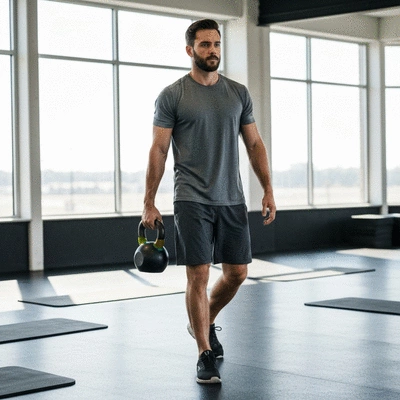
Training safely is key to long-term success with kettlebell exercises. At Fitness Kettlebells, I always emphasize the importance of proper form and technique to prevent injuries. Here are some essential tips to follow for safe training:
By adhering to these guidelines, you can effectively enhance your core stability while minimizing the risk of injury.
The impact of kettlebell training extends beyond core strength. Engaging in kettlebell workouts can lead to a variety of health benefits that contribute to your overall well-being. Here are some of the most notable advantages:
As you can see, kettlebell training is a holistic approach that benefits both your body and mind!
Your journey deserves to be celebrated! Joining a community of like-minded fitness enthusiasts can provide motivation and accountability. At Fitness Kettlebells, we encourage everyone to share their progress, insights, and stories. Connecting with others enhances your experience and can inspire you to push through challenges. Don’t hesitate to reach out through our social media platforms or forums!
As a fitness coach, I receive numerous questions regarding kettlebell training. Let's address some of the most common queries:
If you have more questions, feel free to ask! I’m here to help you navigate your fitness journey.
Having a personal trainer or strength coach can significantly enhance your kettlebell training experience. Their expertise provides tailored guidance to help you achieve your fitness goals more effectively. Here are a few ways they can support you:
At Fitness Kettlebells, I’m passionate about empowering individuals through expert advice. Whether you’re a beginner or an experienced lifter, I’m here to support your journey every step of the way!
Here is a quick recap of the important points discussed in the article:
Kettlebell Programming Mistakes to Avoid
What if the key to unlocking your kettlebell potential lies in understanding programming? Many fitne
Progressing Your Kettlebell Form Safely

Have you ever hit a plateau in your training and felt stuck? Understanding how to progress effective
Kettlebell Routine for Strength and Mobility
Are you ready to transform your fitness journey with kettlebell training? The versatility of these w
Kettlebell Programming Mistakes to Avoid
Progressing Your Kettlebell Form Safely
Kettlebell Routine for Strength and Mobility
Kettlebell Equipment Selection Guide
Mastering the Hip Hinge Technique