
Why Right Weight Matters
Improved Safety, Enhanced Technique, Effective Progression.
Avoids injury, perfects form, ensures gains.
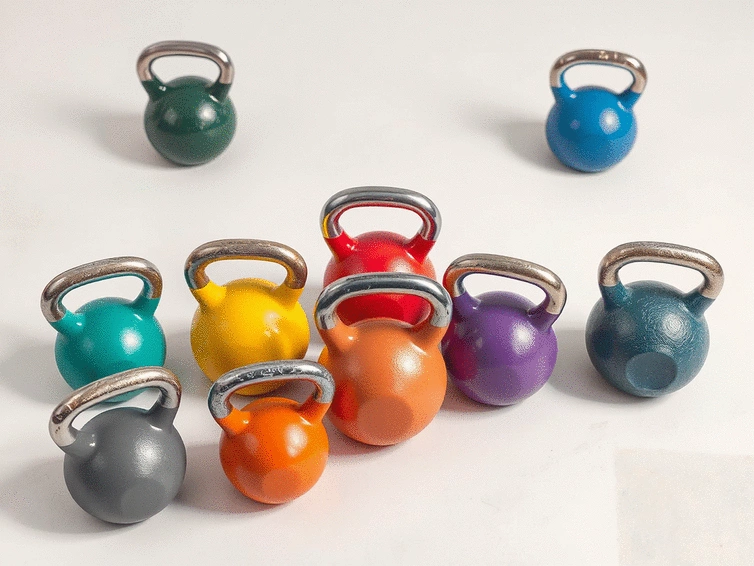
What if the right kettlebell weight could be the difference between a successful workout and an injury? Understanding how to select the appropriate kettlebell weight is essential not only for beginners but also for seasoned users looking to progress safely and effectively.
This guide outlines recommended kettlebell weights based on fitness level and training goals, emphasizing safe progression.
Improved Safety, Enhanced Technique, Effective Progression.
Avoids injury, perfects form, ensures gains.
4-12kg
8-16kg
12-24kg
Choosing the right kettlebell weight is crucial for maximizing your workouts and avoiding injuries. When I first started my kettlebell journey, I learned that using the appropriate weight not only enhances strength training but also allows for better form and control. This is especially important for beginners, as starting with too heavy a kettlebell can lead to improper techniques and potential setbacks. Research from the National Institutes of Health highlights the benefits of kettlebell training for improving strength and coordination.
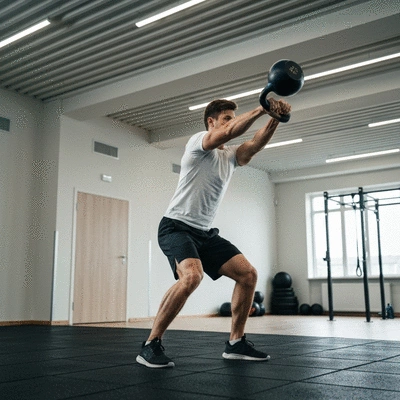
Investing time in understanding kettlebell weights is equally essential for advanced users looking to challenge themselves further. A well-chosen kettlebell can help you safely progress through various exercises, leading to noticeable improvements in your strength and endurance!
The right kettlebell weight plays a significant role in the effectiveness of your training. Here are a few reasons why it matters:
By keeping these factors in mind, you can tailor your kettlebell workouts for maximum effectiveness. A balanced weight selection will make your training sessions more enjoyable and productive! A study published by the National Institutes of Health reinforces the importance of appropriate loading for optimal training outcomes.
Many newcomers to kettlebell training make some common mistakes when choosing their weights. Here’s what I've seen happen:
Avoiding these pitfalls will help you set the right foundation for your kettlebell training journey. Remember, it's all about finding a balance that works for you, and at Fitness Kettlebells, we're here to support you in that process!
Understanding your own fitness level is essential for selecting the appropriate kettlebell weight. It can significantly affect both your immediate success and long-term progress on your fitness journey.
Whether you're a beginner, intermediate, or advanced, the right kettlebell weight can help you achieve your goals more effectively.
Identifying where you stand in terms of kettlebell training experience can guide your weight selection. Here’s a quick assessment:
This assessment can help you feel more confident in your kettlebell choices, reducing frustration and enhancing your workouts!
Your personal fitness goals are central to deciding on the right kettlebell weight. Different goals require different approaches:
By aligning your kettlebell weight selection with your unique goals, you set yourself up for greater success! At Fitness Kettlebells, we encourage you to think about your aspirations as you select your weights. The American Council on Exercise (ACE) has conducted research demonstrating the significant benefits of kettlebell training for improving fitness components like strength and cardiovascular endurance.
As your fitness evolves, so should your kettlebell workouts. Tailoring your routines based on fitness levels ensures continual progress. Here are some ways to adapt:
This adaptability is crucial in maintaining motivation and achieving your fitness goals over time. With a bit of mindfulness and planning, you can successfully navigate your kettlebell journey!
When selecting your kettlebell weight, consider starting with a weight that allows you to perform 12-15 repetitions comfortably. This will help you master your form before advancing to heavier weights. Remember, it's better to focus on technique rather than lifting heavier too soon!
Here are some common questions to help you further understand kettlebell weight selection:
As we wrap up our discussion on kettlebell weight selection, it's crucial to remember that the right weight can make all the difference in your training journey. In my experience at Fitness Kettlebells, I've seen how personalized weight choices can enhance performance while reducing the risk of injury.
To recap, here are some key points regarding fitness levels and their corresponding kettlebell weights:
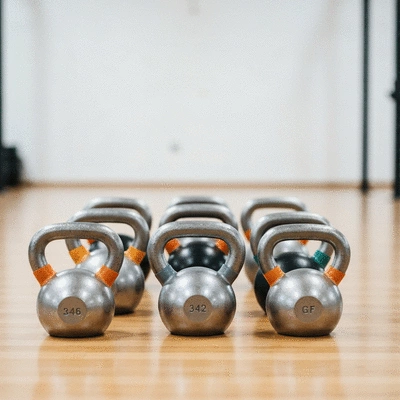
Understanding your fitness level is crucial for selecting the right kettlebell weight that aligns with your training goals. This tailored approach helps you build strength and technique effectively!
Safety should always be your top priority when engaging in kettlebell workouts. Here are some final tips I've gathered from my journey as a strength and conditioning coach:
By following these tips, you'll be well on your way to mastering kettlebell training safely and effectively! Remember, progress takes time, so be patient with yourself as you develop.
Now that you have a solid understanding of kettlebell weight selection, it's time to integrate this training into your fitness routine. At Fitness Kettlebells, we believe that every workout should be enjoyable and fulfilling.
One effective way to incorporate kettlebells into your weekly routine is by following a structured plan. You can start by:
With consistency and dedication, you'll notice improvements in strength, endurance, and overall fitness!
Don’t forget, you’re not alone in this journey! Join our community at Fitness Kettlebells to connect with fellow fitness enthusiasts. Share your experiences, ask questions, and find motivation in our supportive environment. Engaging with others can enhance your training experience and keep you accountable!
If you’re looking for additional guidance, consider exploring online training options. Personalized coaching can provide you with customized workouts and expert advice tailored to your unique fitness level. At Fitness Kettlebells, we offer various resources to help you succeed, whether you're just starting or looking to elevate your skills further.
Remember, every step you take toward understanding kettlebell training is a step towards achieving your fitness goals. Let's keep moving forward together!
Kettlebell Programming Mistakes to Avoid
What if the key to unlocking your kettlebell potential lies in understanding programming? Many fitne
Progressing Your Kettlebell Form Safely
Have you ever hit a plateau in your training and felt stuck? Understanding how to progress effective
Kettlebell Routine for Strength and Mobility
Are you ready to transform your fitness journey with kettlebell training? The versatility of these w
Kettlebell Programming Mistakes to Avoid
Progressing Your Kettlebell Form Safely
Kettlebell Routine for Strength and Mobility
Kettlebell Equipment Selection Guide
Mastering the Hip Hinge Technique